Thursday, 18 August 2016

How disposable gloves will save you in the kitchen

Are they pretty? No. Are they comfortable? Not really. But are they your best friend in the kitchen? Sometimes.

When the messages start rolling in around dinnertime about how your best friend cut a jalapeño and now their hand is on fire – it’s time to bring in the disposable gloves!

Disposable gloves are one of the least attractive things you can wear in a kitchen—or anywhere, for that matter. But it takes just one incident with a jalapeño to proclaim allegiance to the things.

And they're not just a barrier between you and those chillies. Keep a 100-count box in a kitchen drawer for...

1. Meatballs and meatloaves you're going to mix by hand (It keeps the bacteria from burrowing under your fingernails.)


2. Rubbing a raw chicken inside and out with butter and spices.


3. Deveining shrimp? It's so much less disgusting when you do it with gloves.


4. Slicing hot meat, turning out hot muffins or baked goods, or handling hot veggies without burning your fingers. 


5. Garlic and shallots and onions—these foods do not leave their scent on your fingers when you handle them with gloves.


6. With gloves on, food like beetroot, butternut squash, turmeric and cherries will keep their colour to themselves.


7. It's probably more of a girl thing, but by wearing gloves you can protect your nice manicure.


Everybody, manicured or not, has use for disposable gloves in the kitchen. Yes, you'll look like the lunch lady when you're cleaning those chillies. But better to look like her than to deal with dirty, burning or smelly hands, right?


Looking for disposable gloves at an affordable price? Visit L&A Safety's website and have a look through the website, or pop into one of their stores in Cape Town, Vredenburg or Robertson.

Thursday, 28 July 2016

Why Nitrile Gloves are best for Dairy Farming

Disposable gloves have many uses in agriculture, especially when it comes to dairy farming. Nitrile gloves, for example, are perfect for this application.


Research shows that gloves have experienced increased usage in this industry over the past ten years. This is because of a need for improved worker and animal health – not to mention, a desire to produce higher-quality milk. In fact, nearly 50 percent of all dairy farms use gloves because of these reasons.

Nitrile gloves in particular provide several benefits:

- Cleaner milk due to less bacteria transferred from hands to the milk, as the bacteria does not adhere to the nitrile as easily as to the crevices of your hands

- Protection against repeated exposure to teat dips

- Superior resistance to iodine used to prevent contamination between cows, a resistance not found with latex gloves

Wearing gloves is a crucial sanitation practise for dairy farms. If cows become infected, they represent lost revenue. This problem becomes worse if an infection spreads between cows.

Rather than risking lost profits and low-quality milk, dairy farmers should be sure to replenish their nitrile glove supplies to get the appropriate level of barrier protection.


For a wide range of PPE, including a selection of work gloves – visit L&A Safety’s website today or pop in at one of their stores in Cape Town, Vredenburg or Robertson.

Thursday, 21 July 2016

How to clean your Respirator Mask

Taking care of your respirator is simple stuff, but it can have a big impact on your health and safety at work. L&A Safety explains the best way to keep your non-disposable respirator clean and how to prolong the life on your cartridges.


Most people never clean their respirators. Why? Maybe they love germs, or accumulated grime, or maybe, they just wipe it out with a rag occasionally and keep working. Hey, I’ll do it right from now on.

Masks are worn to protect workers from dangerous atmospheres, and properly cared for; they will continue doing that for quite some time. However, if you’re wearing a mask, chances are you’re not working in the cleanest environment and they need to be washed to remove any residue occasionally.

To clean your respirator, first wash your hands. You don’t want to take the dirt and replace it with the paint or chemicals you’ve been working with. If you’re not sure how to do it, check the written instructions that came with your mask. Make sure you don’t lose any seals or washers that may be in place with the cartridges.

It probably goes without saying, but we’ll say it anyway: you can’t wash your cartridges. If you have cartridges with rigid exteriors, you can wipe the dirt or over-spray off. But make sure you set them to the side when you are washing.

Next, hand wash the respirator face piece in warm water. Use a disinfectant soap. Check with the manufacturer to see if there are recommended brands.

After you have cleaned the respirator and all the parts, let them air-dry before reassembly.

The other important thing to remember about caring for your respirator is keeping your respirator and cartridges stored correctly. Sunlight, dust, extremes of both heat and cold, and chemicals can have a negative effect on the longevity of your mask.

Ideally the cartridges should be removed after each use and put in a zip-lock bag for storage. If you have a half-face mask, it will fit into a big bag without having to take the cartridges off. Always store your mask away from the job site or any other chemicals.


If you have any questions about your safety gear, respirators or safety equipment in general, contact L&A Safety today!

Thursday, 14 July 2016

Safety Gloves and Skin Protection at Work

You may use many tools at work, but some of the most important tools you use are your hands. Therefore, it’s important to properly protect your hands from skin injuries on the job site. Skin injuries like cuts or punctures and health problems like dermatitis can occur in a wide variety of industries, not just the industries you would expect.


Hand injuries and skin problems can arise in more dangerous workplaces like construction sites and manufacturing facilities, but they also commonly occur in industries like health care, hairdressing and food service. As a result, many employers need to be aware of these hazards, and both employers and employees need to educate themselves about the best ways to prevent dangerous situations.

Many types of skin problems can occur in the workplace. Let’s take a look at some of the common ones: 

Cuts & Punctures – Sharp pieces of machinery, the blades of tools or needles can easily damage the skin on your hands. While many of these wounds can be cleaned and covered with a plaster, a deep enough wound could require stitches or surgery.

Abrasion – An abrasion is an injury on the surface of the skin that occurs when something scrapes the epidermis, the outer layer of the skin.

Thermal Issues – Working with very hot or very cold objects can cause burns and impede movement.

Chemical Burns – Some substances in the workplace can burn the skin when encountered in certain forms (as liquids, solids or gases). Cement, for example, can cause burns because it has a high pH value, and employees may not even realize the burns are occurring until it’s too late to prevent further damage.

Dermatitis – The skin can become red, inflamed and irritated as a result of working around certain substances (ranging from cement to hair dye) in the workplace. “Irritant contact dermatitis” occurs when something in the work environment irritates the skin and it can lead to pain, blisters, itching and many other unpleasant symptoms. Some people have an immune response to substances in the workplace, which is called “allergic contact dermatitis”. 

These hazards are all very different so they require different kinds of skin protection. Just as no one type of respirator can protect from all air contaminants, no glove can protect from all substances and tasks that could injure the hand. 


Always wear the right PPE, especially for your hands! Visit L&A Safety at one of their stores in Robertson, Vredenburg or Cape Town and place your order today!

Thursday, 7 July 2016

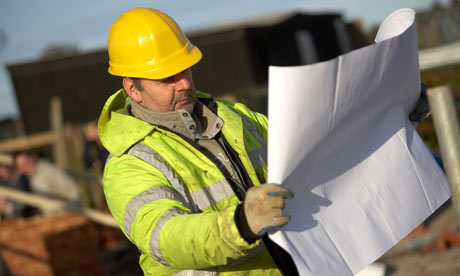
“My hard hat saved my life”

A hard hat has saved the life of a Queensland worker who fell five metres from a ladder, fracturing three vertebrae, but narrowly escaping spinal cord injury.

Forty four year-old plant operator, Peter Haines was working on his own at a remote Queensland site, installing the last of 12 light poles when the ladder he was working on slipped.

“I was up tying off the ladder when it slipped and I’ve fallen approximately five metres and landed hard on my left buttock and then my head struck the ground with force,” he said, adding that his employer was not found at fault and it was deemed an accident.

Haines’ hard hat remained on during his fall and according to paramedics, probably saved his life.
“They think that was what saved me from sustaining head or neck injuries. The impact was so hard it cracked the hard hat,” he said.

After falling, Haines managed to phone his boss, however a co-worker had seen the incident and called the ambulance.

“I was just lying there thinking ‘I hope I am alright.’ I was trying to wiggle my toes the whole time I was lying down.

“The ambulance arrived around 25 minutes later and stabilised me, transported me to hospital and then I was airlifted to the hospital.”

“They treated me as a full spinal injury but they couldn’t work out why I didn’t have any head or neck injuries, which they later put down to the hard hat,” he said.

Now on the mend and receiving intensive physiotherapy, Haines is likely to recover from his injuries although he is unsure if he will be able to return to his old job.

“I have to wait to get clearance with the specialist,” he said, adding that the waiting had given him a lot of time to think and he now wishes to educate others to prevent similar incidents.

“While it was just an accident, there could have been a better procedure. We could have had an EWP (elevated work platform), maybe a dozen things that could have been different.”

Haines said his employer immediately changed procedures after the accident

“They are a good company, they got straight onto it. Now there are no ladders, they use machines now.”

However he added that it is important that people don’t wait for an accident and should think long and hard about the risks and potential consequences.

“You can feel confident about doing a job – which I did – but you have to take the time to sit there and think, ‘no I don’t want to do it like that’, and speak up.”


“And the name of the game is that you must have your PPE. One cheap piece of plastic kept me alive. It might not save you every time, but it worked this time!”

Get reliable, affordable safety equipment and a wide range of PPE, simply contact L&A Safety or pop in at one of our branches in Cape Town, Vredenberg or Robertson.

Thursday, 30 June 2016

The Right Boot for the Job

For those unclear on what they need, a simple conversation with the foreman, HR representative or safety manager can shed some light on safety needs. These needs can vary from types of jobs to work environments as many require different safety footwear that satisfies everything from toe protection to more specialized needs like static-dissipating or puncture-resistant.

Ladder work: One of the biggest hazards when climbing a ladder is slipping off the ladder rung, which is a serious danger when using a six-foot or taller ladder. Ladder safety is paramount, but a boot that takes the job into consideration will help deliver a better experience for the wearer.

A defined heel can help prevent a worker from slipping off a wrung. Workers often on ladders should look for 90-degree heels that offer better stability on ladders. Many manufactures also incorporate ladder grips or ladder locks built into the sole. This raised rubber pad is designed to work with the grooves on the ladder to help provide additional safety.

Welding: Welders have unique challenges on the job site, facing sparks, fire and extremely hot materials. They should look for footwear that is either a pull-on or features a met-guard that covers the shoelaces and allows slag and sparks to roll or bounce off the footwear. The threads in laces and the tongue of the boot are typically comprised of fabric that increases the chances of sparking, catching fire or even having sparks and materials get into the boot, burning the foot and causing sometimes severe injury.

Welders should also look for outsoles that have higher heat ratings, to help reduce the chance of melting. These higher-performing outsoles are often made of rubber and mixes of nitrile, rubber and Kevlar.

Pull-on or Wellington boots work well in welding environments as they limit exposure of threads and laces. Footwear for welders should always feature an all leather upper, which will wear longer and resist burning unlike fabric counterparts.

Electricians: It’s important for electricians to wear non-metallic and non-conductive footwear. These shoes prevent the wearer from completing the electric circuit to the ground and in some cases can help to ground a charge and eliminate the threat of electrocution.

Carpenters and home builders: Construction sites are often covered with puncture hazards, such as shards of metal and popped nails. For individuals working in and around such environments, finding a work boot that features a puncture-resistant outsole will help to better protect the feet. Puncture-resistant boots feature a special plate between the insole and sole of the boot, providing the extra safety needed.

Wet conditions: In wet or slick conditions, such as indoor manufacturing or light industrial, workers would be well-served to seek out footwear that provides excellent non-slip outsoles. These outsoles are typically made from rubber. Some manufactures take a serious look at how a boot performs in slick conditions, designing channels, ridges and depressions that divert liquid along with outsoles that increase surface area, ultimately providing better traction and increased stability on slippery surfaces.

Management: Managers and other company officials not typically on the job site or work floor may take for granted the need for proper safety gear. For those who may tour, supervise or visit these environments, having a pair of safety boots made from protective materials and possessing the safety and performance features needed on that particular job site may help prevent a work site injury.

Work boots today are incredibly versatile in both form and function. Those not typically accustomed to safety footwear can find silhouettes that resemble hiking boots, sneakers or even dress shoes, all without sacrificing safety.

Thursday, 23 June 2016

The Importance of Gloves on Industrial Work Sites

When working on an industrial site, wearing safety gloves is a top priority. Understanding of the importance of wearing work gloves on the job and finding a pair that is right for the task at hand is vital in reducing injury.


Below are some key factors to consider when purchasing a pair of work gloves:

Hazard – The first step in finding the right work gloves is to identify the need for hand protection. Consider the industry and setting in which you will be working to determine the hazards you may be up against. Evaluating what could cause you harm (or what you could cause harm) will ultimately determine what kind of glove you’ll need to get the most protection.

For instance, you may need to wear gloves to protect yourself from harmful chemicals. Conversely you may need to wear leather gloves to protect the product your handling from the natural oils on your skin. Other hazards common job-site hazards include cuts or scrapes, viruses or bacteria, extreme temperatures, or electrical currents. Understand the industry and product you’ll be working with before investing in work gloves.

Fit & Agility – Another important component when choosing a proper work glove is the fit. If a glove is too large for a workers hand, the glove could create an obstacle and prevent work from getting done safely. On the other hand, if a glove is too small, this could restrict a worker’s range of motion, again hindering work from getting done. Poorly fitting gloves can cause the hand to cramp or blister, ultimately impairing a worker from doing their job safely. It is important to measure hands in order to find properly sized gloves.


Coating – Depending on the industry, a worker may need gloves with protective coatings to prevent damage from certain elements. For example, if you are working with harsh chemicals, you will need gloves with an impermeable protective coating. Other options of safety gloves include ones made with a special hard backing to prevent puncture from things like needles or cutting tools. Some research should be done before you buy to ensure you are protecting yourself from potential dangers your job will pose.

Recognizing the fact that you need to wear gloves and carefully assessing each of the factors that you need to be protected from will help determine the glove that is right for you. For all of your work glove needs, reach out to the professionals at L&A Safety.