Thursday, 24 November 2016

Never Wear a Hoodie under your Hard Hat

When the weather gets colder, or the rain comes along, outdoor workers need to keep warm. It is almost always a requirement to wear a hard hat when working on a construction site, however a lot of workers think it is okay to wear a hoodie or beanie underneath their hard hat.

Related image

The fact is, this is not only dangerous to the worker, but also the people below if the hat had to fall off from a high place and hit them.

What are some of the dangers of wearing a hoodie under your hard hat?

- The hard hat doesn’t fit properly, so it easily falls off your head.

- Workers may drop what they’re doing and attempt to catch the hard hat.

- The falling hat can endanger anyone below.

- Wearing a hoodie narrows your field of vision, therefore increasing the chances of injury.

- If the hard hat falls off it exposes your head to dangers.

- Helmets are damaged when they fall off and cannot be used again.

Hard hats are specially designed to take a large amount of impact, but if the hat falls from a height and shows any sign of damage it should be replaced immediately!

A workers safety is the most important thing, so a hoodie or beanie should NEVER be worn underneath a hard hat.

Image result

To keep warm, consider getting a manufacturer approved head warmer that is designed to fit under the hard hat. Contact L&A Safety, or pop into one of the branches for a wide range of PPE equipment, such as hard hats, safety goggles, eye protection and so much more!

Thursday, 3 November 2016

The most Important PPE used Onboard Ships

Safety of self and co-workers is the prime priority kept in mind by a professional seafarer while working onboard a ship. All shipping companies ensure that their crew follow personal safety procedures and rules for all the operations carried onboard.

Image result

To achieve the utmost safety onboard a ship, the basic first step is to make sure that everybody wears their personal protective equipment made for different types of jobs carried out on ship. Looking for affordable PPE? Visit L&A safety's website and place your orders!

Here is the basic personal protective equipment (PPE) that is always present onboard a ship to ensure safety of the working crew:

1)      Protective Clothing: Protective clothing is a coverall which protects the body of the crew member from hazardous substance like hot oil, water, welding spark etc. It is popularly known as a boiler suit.

2)      Helmet: The most important part of the human body is the head. It needs utmost protection which is provided by a hard hat. A chin strap is also provided with the helmet which keeps the helmet on place when there is a trip or fall.

3)      Safety Shoes: Most of the internal space of the ship is utilized by cargo and machinery, which is made of hard metal and can make it awkward for the crew to walk around. Safety shoes ensure that nothing happens to the crew member’s feet while working or walking onboard.

4)      Safety Hand gloves: Different types of hand gloves are provided onboard. All these are used in operations wherein it becomes imperative to protect ones hands.  Some of the gloves provided are heat resistant gloves to work on hot surface, cotton gloves for normal operation, welding gloves, chemical gloves etc.

5)      Goggles: Eyes are the most sensitive part of the human body and in daily operations; chances are high that eye injury may occur. Protective glass or goggles are used for eye protection, whereas welding goggles are used for welding operation which protects the eyes from high intensity sparks.

6)      Ear Muff/plug: The Engine room of the ship produces 110-120 db of sound which is very high for human ears. Even few minutes of exposure can lead to head ache, irritation and sometimes partial or full hearing loss. Ear muffs or ear plugs are used onboard ships to dampen the noise to a bearable decibel value.

7)      Safety harness: Routine ship operation includes maintenance and painting of high and elevated surfaces which require crew members to reach areas that are not easily accessible. To avoid a fall from such heightened area, a safety harness needs to be used. A safety harness is donned by the operator at one end and tied at a strong point on the other end.

8)      Face mask: Working on insulation surface, painting or carbon cleaning involves minor hazardous particles which are harmful for human body if inhaled directly. To avoid this, a face mask is provided which acts as shield from hazardous particles and chemicals.

9)      Chemical suit: Use of chemicals onboard a ship happens frequently and some chemicals are very dangerous when they come in direct contact with human skin. A chemical suit is worn to avoid such situations.

10)  Welding shield: Welding is a very common operation onboard a ship for structural repairs. A welder is provided with a welding shield or mask which protects the eyes from coming in direct contact with ultraviolet rays of the spark of the weld.

Image result

Thursday, 20 October 2016

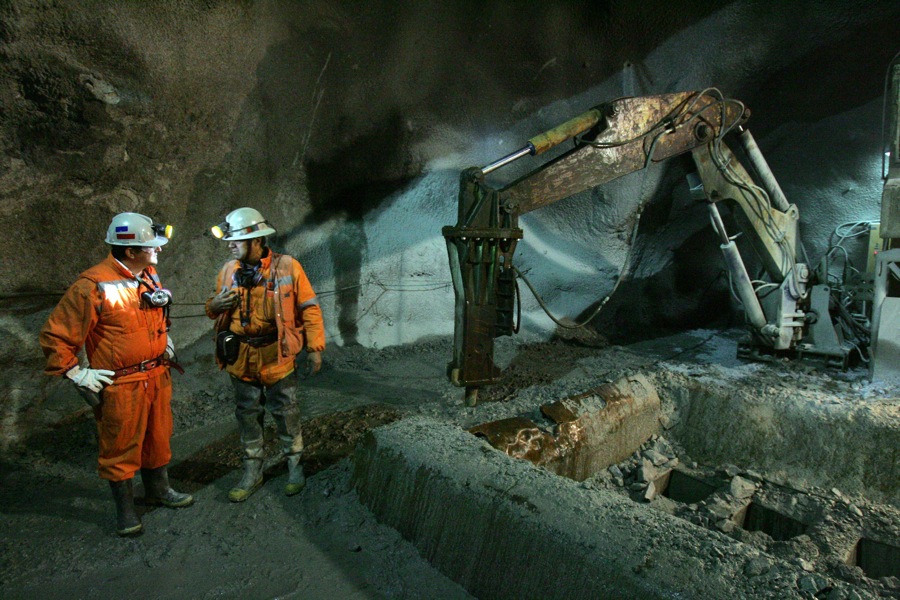
Safety in Underground Mines: A PPE Checklist

Underground mining operations around the world pose similar risks to worker safety and health. Though different techniques are used to extract base metals, precious metals, non-metallic minerals, diamonds and coal, the hazards do not differ that much. The deeper the mine, however, the greater the risk...

Experienced miners know what gear they need to prevent or at least minimize injuries on the job. For newcomers, however, it’s important to include information on selecting PPE in their training. Manufacturers of PPE have made significant improvements in the materials they use. Take a look at what you’re using for PPE. It might be time for change. 

Image result
           
Protective Clothing This may include rain gear, head gear, high-visibility jackets and coveralls, flash-rated, all-cotton coveralls and clothing with reflective stripes such as those worn by bikers and runners.  

Fall Protection While typically not a major issue in underground mines, working at different heights is sometimes required in mountainous mines or raised goldmines where ladders and scaffolds are needed. In these situations, make sure you have the proper harnesses, belts and other safeguards to prevent falling.                                
           
Work Gloves Special tasks require specific gloves. Today’s glove manufacturers have made significant improvements in glove designs, using lighter-weight and more breathable fabrics. Some of these materials even offer better cut and puncture resistance. Take a look at the gloves your workers are using. There may be better options available.
           
Footwear Enhancements in footwear have made industrial footwear even better. Today’s work boots are higher to prevent ankle rollover. Specially insulated boots can protect feet in both extreme cold and heat. Sole platforms are now wider and thicker to provide surer footing and better balance.

Eye Protection In addition to LED-lighted hard hats, many miners require safety glasses. Today’s eyewear designs include improved scratch abrasion and fog resistance.

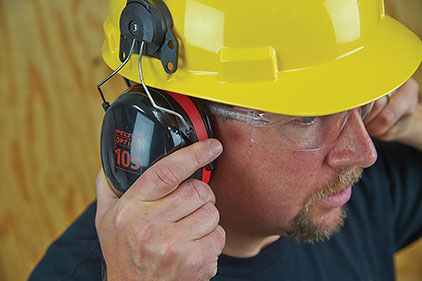
Hearing Protection Mine blasting and excessive noise generated by diesel-powered equipment can cause lasting damage to miners’ hearing. Hearing protection in the form of earplugs and coverings can be used, depending on the ambient decibel levels in work areas.


Employers need to provide the right PPE to every employee to protect the life, health and safety of the workforce, as well as to protect valuable worksites and assets. As leading mining organizations already know, creating a safe working environment means a more productive and profitable mining operation. 

Looking for affordable PPE - contact L&A Safety and place your order today, or pop into one of the branches in Robertson, Vredenburg or Cape Town!

Thursday, 6 October 2016

PPE – Body Protection

Employees who face possible bodily injury of any kind that cannot be eliminated through engineering, work practice or administrative controls, must wear appropriate body protection while performing their jobs. In addition to cuts and radiation, the following are examples of workplace hazards that could cause bodily injury:

Image result
-- Temperature extremes;

-- Hot splashes from molten metals and other hot liquids;

-- Potential impacts from tools, machinery and materials;

-- Hazardous chemicals.

There are many varieties of protective clothing available for specific hazards. Employers are required to ensure that their employees wear personal protective equipment only for the parts of the body exposed to possible injury. Examples of body protection include laboratory coats, coveralls, vests, jackets, aprons, surgical gowns and full body suits.

If a hazard assessment indicates a need for full body protection against toxic substances or harmful physical agents, the clothing should be carefully inspected before each use, it must fit each worker properly and it must function properly and for the purpose for which it is intended.

Protective clothing comes in a variety of materials, each effective against particular hazards, such as:

Paper-like fibre used for disposable suits provide protection against dust and splashes.

Treated wool and cotton adapts well to changing temperatures, is comfortable and fire-resistant and protects against dust, abrasions and rough and irritating surfaces.

Duck is a closely woven cotton fabric that protects against cuts and bruises when handling heavy, sharp or rough materials.

Leather is often used to protect against dry heat and flames.

Rubber, rubberized fabrics, neoprene and plastics protect against certain chemicals and physical hazards. When chemical or physical hazards are present, check with the clothing manufacturer to ensure that the material selected will provide protection against the specific hazard.


Looking for reliable PPE at an affordable price? Contact L&A Safety and place your order, or pop in to one of the branches in Vredenburg, Robertson or Cape Town!

Thursday, 22 September 2016

The Truth about PPE

PPE (Personal Protective Equipment) is designed to protect employees from serious workplace injuries and illnesses caused from chemical, radiological, physical, electrical or mechanical hazards. The truth is that PPE is paramount for your protection, as it provides the last line of defence against an injury.

98% of employees said they have seen others not wearing PPE when they should have been and 30% said this happens repeatedly!

What are the top four excuses for not wearing proper PPE?

- Looks unattractive
- Too hot
- Poor fit
- Now easy accessible

Head Injuries
Image result for head PPE
9% of all injuries are head injuries
84% of employees who sustain a head injuiry are not wearing head protection

Eye Injuries
Image result

50% of construction workers will suffer a serious eye injury during their career
90% of all workplace eye injuries are preventable with the use of proper safety eyewear

Hand Injuries
Image result
25% of all workplace accidents involve hands and fingers
Wearing gloves can reduce hand injury by 60%

Ear Injuries
Image result
25% of workers are regularly exposed to noises at or above recommended limits
99% of noise-induced hearing loss is preventable if proper hearing protection is used


Put it on! From head to toe, always make sure you have the right protection for the job! 

Looking for affordable PPE?  Visit L&A Safety's website or pop in to one of the branches in Cape Town, Vredenburg or Robertston!

Thursday, 8 September 2016

How rubber gloves can help around the house

It is true that rubber or latex gloves -- whether they are everyday household gloves or the disposable ones used in hair salons and hospitals -- aren't just for doing dishes anymore; they can be time-saving tools all around the house.

Disposable gloves are usually sold at pharmacies, but to get the best bang for your buck, visit L&A Safety (www. landasafety.co.za).

Image result

Here are some ways to use those gloves:

* Fill a rubber glove with ice for a quick ice pack.

* Chilli peppers, such as jalapenos, contain oils that can burn your bare skin. Protect your hands by wearing rubber gloves when working with hot peppers.

* If you're watching your calories, you will use less salad dressing and still coat every lettuce leaf if you use rubber-gloved hands to toss your salad.

* Wear rubber gloves while applying a self-tanning product to keep your skin and fingernails from staining.

* Remove pet hair from furniture and carpet with a gloved hand lightly sprayed with water or an anti-static spray.

* To prevent leaving fingerprints, wear rubber gloves while cleaning crystal and glass.

* Help prevent cross-contamination by wearing disposable gloves when you work with raw meat. Put on a fresh pair before working with another ingredient.

* You'll have snag-free pantyhose if you wear your gloves while sliding your stocking up your leg.

* A rubber glove will help you get a good grip on a tight bottle cap or jar.


Thursday, 25 August 2016

Why you need Gardening Gloves

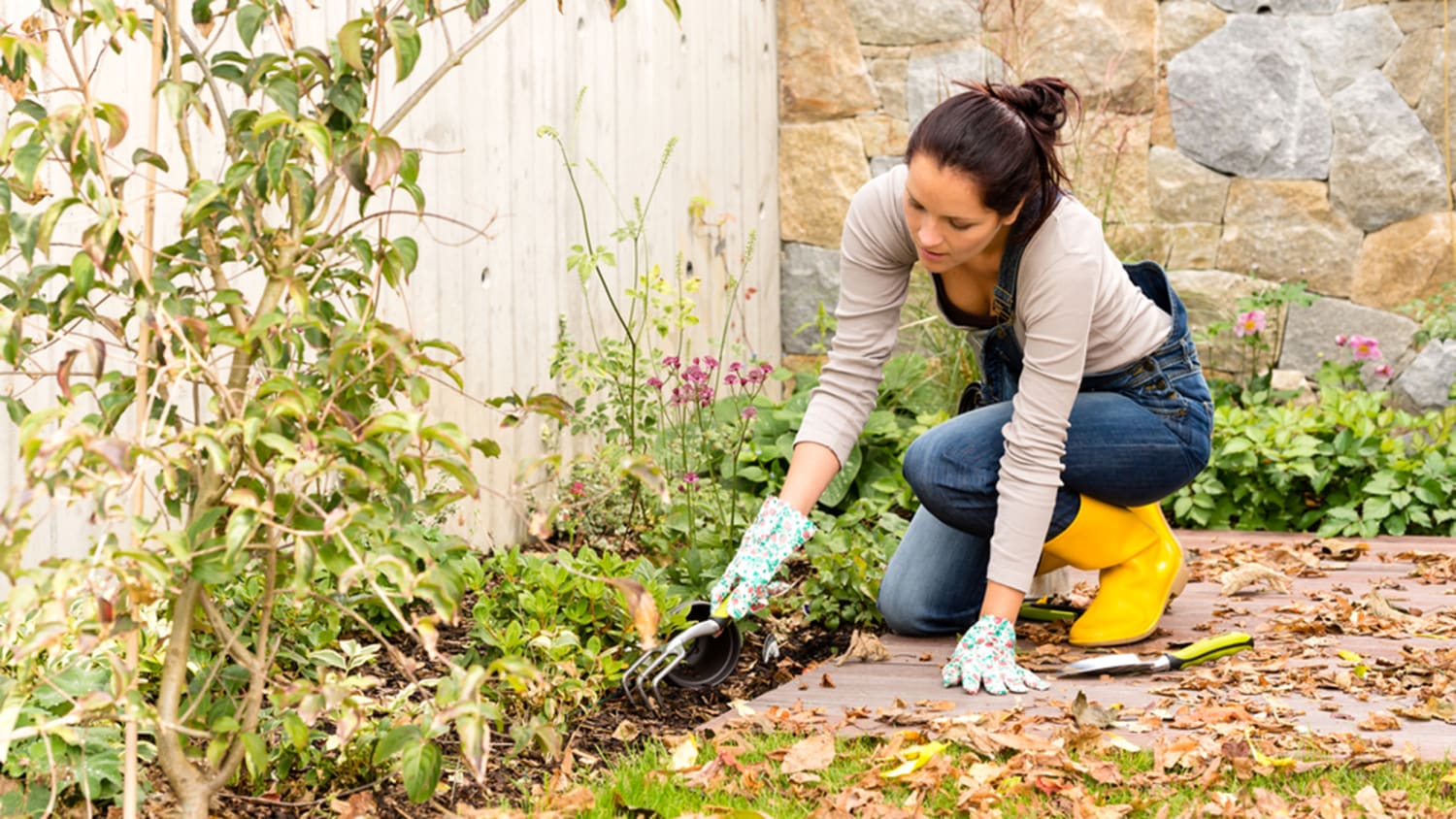
Ideally, we were moulded from soil and have no problem touching the earth and using it in any way with our bare hands plus breaking plants, pruning and applying the mulch bare handed. However, there is need to dress the fingers while gardening.

Image result
Experts discuss some reasons why you need a pair of gloves while gardening.

  • Prevent nail breakage

Save your finger nails from breaking and keep nails clean as well. One of the greatest physical assets a lady has is the fingernails. Save those finger nails from breaking as a result of digging them in the earth, forcing them to break branches and sowing seeds with hard coats.

  • Prevent cuts 

Image result Notably, gloves will save you from very painful splinters and infected cuts. Most people dread them with the excuse that they are heavy and sweaty – yes they are quite uncomfortable but one gets used to working in them over time because it pays.

  • Protect hands from cuts

Hands are worth taking care of; a good pair of gloves will not only protect you from cuts, particles and pricks from thorns but also keep your hands in shape. Buy fitting gloves. Gloves that are ill fitting are uncomfortable but can also be dangerous. If you are using powerful tools with gloves that don’t fit, they can easily get pulled along with your working tools and leave you unprotected. Also, small or tight gloves limit movement and should not be anywhere near your fingers.
Image result

  • Prevent contact with soil-borne and bacterial infections

Wearing gloves saves you from directly getting into contact with animal waste and deadly chemicals. Gardening with open wounds or cuts exposes you to bacterial infections through contact with waste.


Gloves are made to protect your hands from the mud and keep them clean and dry. They also keep hands warm in cold weather – always wear gloves while gardening!

L&A Safety offers a wide range of safety equipment and clothing, ranging from construction hats and boiler suits to gloves used for gardening, etc. Visit L&A Safety's website today or pop in at one of their branches in Cape Town, Vredenburg or Robertson.