Showing posts with label L&A safety boots. Show all posts

Thursday, 12 July 2018

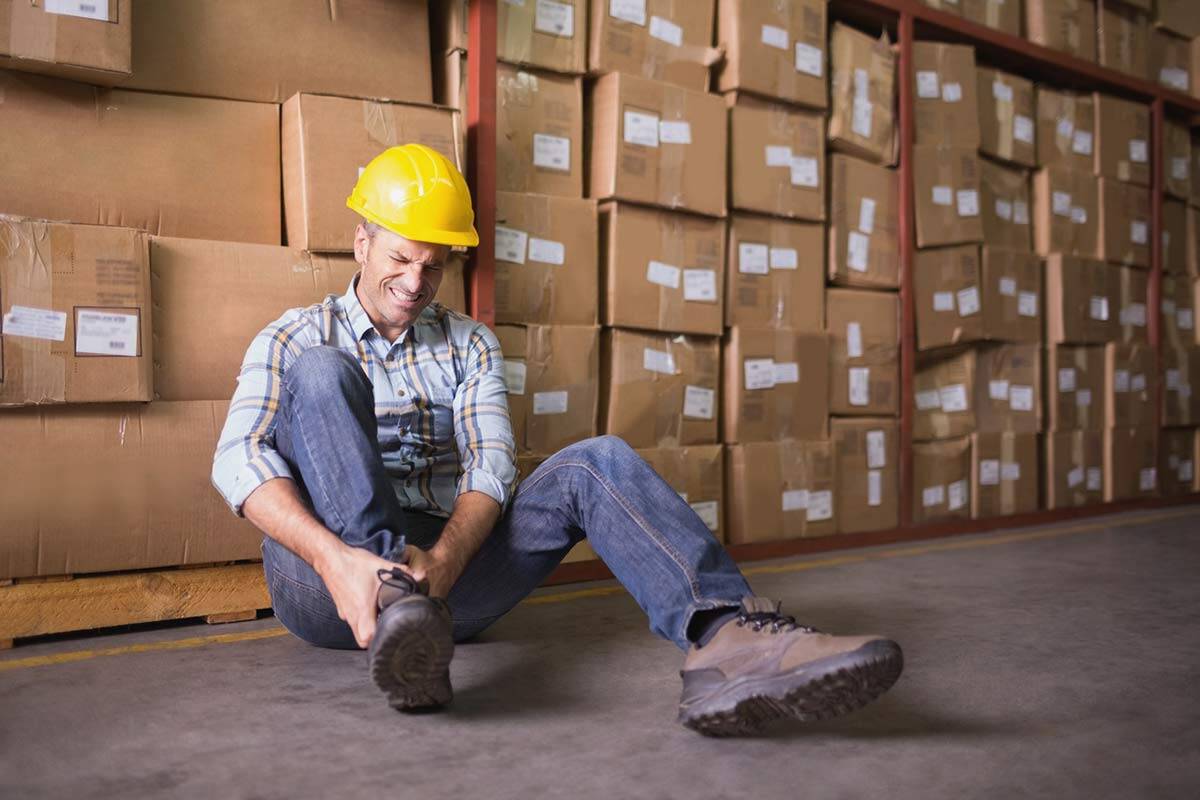
4 Common Workplace Foot Injuries and how you can avoid them


Having a comfortable pair of work boots is vital for any employees who have jobs in the construction business, police enforcement, etc.

Related image

Workplace injuries usually slow down and even stop the business productivity; here are the 4 most common workplace injuries and how to avoid them…

Broken Bones – In some industries, it is not uncommon for people who do not wear the correct safety boots to have their feet crushed by heavy machinery or cargo. These injuries can be avoided by wearing the correct pair of work boots that have enough resistance to protect your feet or toes from being crushed.

Cuts and Lacerations – Employees who work with machinery often end up with cuts and lacerations, this is why steel toe boots are often the best footwear to invest in. Comfortable tactical boots are a good option as well, but make sure they have some level of compression resistance.

Puncture Wounds – Work industries where there are a lot of dangerous metal objects such as nails, staples or scrap metal often end up causing painful puncture wounds. Prevent these injuries from happening by wearing high quality, heavy duty safety boots.

Electric Shocks – Workers sometimes have to be prepared for the risk of an electric shock, such as electricians and construction workers. In cases such as these, you need to invest in a boot that is thick with a rubber sole.

Ultimately it is critical to examine your workplace and figure out what safety footwear is right for you…

At L&A Safety we provide a range of safety boots and footwear, to order yours, give us a call on 021 552 0665, email tish@landasafety.co.za or pop into one of our stores in Vredenburg, Robertson and Cape Town

Thursday, 25 May 2017

8 Vital Ways Safety Shoes Protect your Feet

When you think about safety shoes, the first thing that probably pops into your mind is heavy-duty, steel toe boots. These shoes are vital for foot protection as they have been reinforced to shield you from a range of dangerous or heavy objects.

Other types of shoes exist to protect you including those that provide traction, support, slip protection and other safety benefits. If you are not sure what shoes you need for the job, it is best to do a safety assessment first and determine what risks pose a threat.

Shoes may not be at the top of your list before safety head gear and eye wear, however they are vital to your safety! Here’s how safety shoes or boots can protect you in the workplace:

Image result for wearing safety boots

     1.       Falling/flying objects – When working in a place such as a construction site, there will be dangers all around like machines and vehicles. Falling and flying objects are a regular occurrence and can cause serious injuries, protective shoes like steel cap boots can prevent serious injuries.

     2.       Punctures – Heavy duty shoes protect workers when sharp objects puncture from above or underneath.

     3.       Cutting Hazards – Machinery such as chainsaws can provide dangers like cutting. Boots made from cut resistant materials can mean the difference between safety and catastrophic results.

     4.       Electrical Dangers – Certain workers such as electricians can face potential electric shocks which can cause deadly results. Footwear that is made from materials like leather and rubber are best to wear as they don’t conduct electricity.

Image result for wearing safety footwear

     5.       Slips, Trips and Falls – Accidents happen in any workplace at any time. Consider installing anti-slip floors and make sure everyone wears shoes that have proper traction.

     6.       Fatigue Prevention – For those who stand all day at work, fatigue is a real thing! Muscle in your feet as well as in your legs can grow tired and suffer if you do not wear the right footwear for the job.

     7.        Burns – Burns from fire can happen, but then again so can chemical burns and even burns from cement. If you work in an environment that includes these dangers, make sure to wear the right footwear that is made from durable materials.

     8.       Extreme Weather – We all know extreme cold weather can end in frost bite and hypothermia; this is why it is vital for those who work in these conditions to wear insulated, waterproof protective footwear.

Related image


Improve your safety and comfort by wearing the right safety boots for the right job! L&A Safety has a wide range of PPE, including safety shoes and boots – visit the website here… Or pop into one of their stores in Cape Town, Vredenburg or Robertson!

Tuesday, 20 December 2016

Protective Footwear for Farm Workers

Related imageFoot protective for farm workers is vital in their line of work. They can be injured from a variety of different things, including animals stepping on their feet, heavy objects dropping and even sharp objects that can go right through the shoe.

Safety footwear can come in a range of different styles. Hiking boots and cowboy boots are popular because they look good and they are less heavy duty than normal farm worker boots, such as heavy duty work boots and polyurethane boots for damp working environments.

Safety shoes usually have much more than just a steel-toe cap for protection. Steel shanks help distribute weight more evenly, providing support during farm tasks like climbing a ladder.

Metatarsal boots are fit with protection on top of the shoe and also in the shoe to protect the top of the foot. Steel midsoles, either built-in or slip-in, protect against punctures and bone bruises from nails, glass, barbs, and stones. Slip-resistant soles help prevent falls in wet barns and on muddy ground.

Related image


L&A Safety provides a variety of protective footwear for farm workers, including metatarsal boots, polyurethane boots and many other gum boots. Click here to browse through the catalogues...

Thursday, 30 June 2016

The Right Boot for the Job

For those unclear on what they need, a simple conversation with the foreman, HR representative or safety manager can shed some light on safety needs. These needs can vary from types of jobs to work environments as many require different safety footwear that satisfies everything from toe protection to more specialized needs like static-dissipating or puncture-resistant.

Ladder work: One of the biggest hazards when climbing a ladder is slipping off the ladder rung, which is a serious danger when using a six-foot or taller ladder. Ladder safety is paramount, but a boot that takes the job into consideration will help deliver a better experience for the wearer.

A defined heel can help prevent a worker from slipping off a wrung. Workers often on ladders should look for 90-degree heels that offer better stability on ladders. Many manufactures also incorporate ladder grips or ladder locks built into the sole. This raised rubber pad is designed to work with the grooves on the ladder to help provide additional safety.

Welding: Welders have unique challenges on the job site, facing sparks, fire and extremely hot materials. They should look for footwear that is either a pull-on or features a met-guard that covers the shoelaces and allows slag and sparks to roll or bounce off the footwear. The threads in laces and the tongue of the boot are typically comprised of fabric that increases the chances of sparking, catching fire or even having sparks and materials get into the boot, burning the foot and causing sometimes severe injury.

Welders should also look for outsoles that have higher heat ratings, to help reduce the chance of melting. These higher-performing outsoles are often made of rubber and mixes of nitrile, rubber and Kevlar.

Pull-on or Wellington boots work well in welding environments as they limit exposure of threads and laces. Footwear for welders should always feature an all leather upper, which will wear longer and resist burning unlike fabric counterparts.

Electricians: It’s important for electricians to wear non-metallic and non-conductive footwear. These shoes prevent the wearer from completing the electric circuit to the ground and in some cases can help to ground a charge and eliminate the threat of electrocution.

Carpenters and home builders: Construction sites are often covered with puncture hazards, such as shards of metal and popped nails. For individuals working in and around such environments, finding a work boot that features a puncture-resistant outsole will help to better protect the feet. Puncture-resistant boots feature a special plate between the insole and sole of the boot, providing the extra safety needed.

Wet conditions: In wet or slick conditions, such as indoor manufacturing or light industrial, workers would be well-served to seek out footwear that provides excellent non-slip outsoles. These outsoles are typically made from rubber. Some manufactures take a serious look at how a boot performs in slick conditions, designing channels, ridges and depressions that divert liquid along with outsoles that increase surface area, ultimately providing better traction and increased stability on slippery surfaces.

Management: Managers and other company officials not typically on the job site or work floor may take for granted the need for proper safety gear. For those who may tour, supervise or visit these environments, having a pair of safety boots made from protective materials and possessing the safety and performance features needed on that particular job site may help prevent a work site injury.

Work boots today are incredibly versatile in both form and function. Those not typically accustomed to safety footwear can find silhouettes that resemble hiking boots, sneakers or even dress shoes, all without sacrificing safety.
Friday, 19 February 2016

The Do’s and Don’ts of breaking in your work boots


Being comfortable in your work boots is important. When you break in new working boots, the boots literally conform to the shape of your feet. The majority of new boots will not perfectly fit your feet straight out of the box, but you can get the perfect fit by following these Do’s and Don’ts…

DO

DON’T

§  Test the fit

§  Ignore pinches and hot spots
§  Walk around at home

§  Submerge boots in water
§  Apply leather conditioner

§  Apply direct heat
§  Take your boots to work
§  Kick leather boots off when you get home

If you’re looking for a reliable company that can provide you with quality PPE, including work boots, then L&A Safety is the place to visit! From boiler suits to waterproof and safety boots – L&A Safety has it all.

Here are some key points to take home…

- DO make sure any new boot you might buy has a warranty
- DO start breaking in boots by wearing them at home - DO increase the time you spend wearing them before bringing your work boots to a job site
- DON’T take shortcuts like soaking your boots in water or placing them in front of a heat source

Breaking in your work boots is very important if you want your boots to fit right and last a long time. Always remember, many common shortcuts for breaking in boots can lead to ruined leather.

Wednesday, 20 January 2016

Use these 5 easy farm boot cleaning tips to avoid serious infection


Farms set up footbaths with the goal of preventing groups of animals transferring pathogens amongst themselves. However, boot bath maintenance on most farms is quite poor, with gross contamination by organic matter frequently observed. People tend to avoid stepping in boot baths or they simply choose to step through the bath without stopping to clean their boots.

Organic material frequently inactivates or decreases the activity of disinfectants. So, it is important to remove all visible contamination with soap and water to optimize the effectiveness of disinfection. 

Using the following 5 easy tips will minimize the risk of getting pathogens on your footwear.

- Clean visible dirt off boots before disinfecting.

- Use water and a brush over a well-drained area. A boot cleaning station is also an option.

- Soak boots in a cleaning solution.

- Always look at the label recommendations for dilution rate and exposure time.

- Select disinfectants that are based on on-farm efficacy, cost, ease of use and environmental friendliness.

If you’re working on a farm or just visiting, it is vital that you wear farm boots, but it is also important that they are kept clean at all times to avoid serious infection.

At L&A Safety, we have a wide range of PPE clothing, including gumboots which can be used for basically any line of work, including farming. Contact us today or visit us at one of our branches!


Tuesday, 22 December 2015

Composite Toe vs Steel Toe Work Boots

What’s the difference between composite toe and steel toe safety boots? Both are great at protecting your toes from getting crushed or pierced on the job. Specifically, safety toe boots offer two forms of protection: impact resistance and compression resistance.

Both these toe boots have materials wrapped around your toes at the front of your boots, and both offer unique benefits that should be weighed when you’re making a decision.

Composite Toe
Comp toe work boots are quickly replacing steel toe boots as the industry norm. It is made of non-metal materials like Kevlar, carbon fibre, plastic or fiberglass. Some jobs might require you to pass through a metal detector; this makes composite toe boots ideal.

Since these boots do not contain metal, they are more comfortable when working outdoors. This is especially true when working outside in extreme conditions. Metal conducts heat, meaning your feet will get colder in cold climates, and hotter in hot climates. So, it is preferable to have comp boots for outdoor work.

Composite boots are also much lighter, this means you’ll use less energy when walking and the boots will actually feel more comfortable if you are wearing them for a long period of time.

Steel Toe
This boot is a classic for qa reason, for years, steel safety toes have been the old tried and true method for protecting the feet of countless workers on the job. And although comp boots are lighter, steel toe boots offer more flat protection.

That’s right, as far as straight impact and protection goes, steel toes can handle much more. That being said, unless you are working in a very hazardous environment, you’re not likely to be in a situation where your toe boot is at risk of shattering.

However, there is a myth that, if met with a heavy enough object, steel toe boots can chop off your toes! Luckily this is false.

Always be careful on the job and be aware. Composite and steel toe bots do a great job of protecting your feet, but it is best to avoid situations that can result in injury in the first place.


Which safety toe do you think is best for your line of work? Browse through L&A Safety’s wide range of work boot options and pick which one is best for you.

Tuesday, 10 November 2015

Running in combat boots made comfortable

Running in combat boots doesn’t need to be painful if you have good boots for running! If you’re a police officer or security guard, you’ll be grateful to have a solid pair of boots that are built to move. 


Here are some of the design features of the best boots for running.

> Good Fit. If you’re going to be running in combat boots, you want them to be snug, but not too tight. Your heel shouldn’t wiggle at all in the boot when chasing after someone or moving to a different position.

> Traction. A solid outsole will help you keep your stride, and prevent you from slipping and sliding around any tight corners.

> Flexibility. When your foot moves, it flexes. Flexible boots offer a wider range of motion, allowing you to move quicker and easier.

> Breathable. A breathable boot means not as much sweat, and if you’re running hard, you’re going to sweat!

> Lightweight. The more weight you put on your feet, the more effort you have to use when running. Choose lightweight boots to make running a breeze.

Take a look at L&A Safety's wide range of combat boots that are not only of the highest quality, but are also sold at an affordable price! Order today, or visit one of their branches in Vredenburg, Robertson or Milnerton.

But why is it so important to have combat boots built for running? Well, it matters if you’re in the army or part of the police. After all being part of an elite combat unit means swiftly and strategically relocating positions and improvising on the go. It means being able to tread lightly and keep quiet. So you can’t wear old-fashioned trench boots that were passed down from your grandfather.

Failure to pay attention to minor details when you purchase a good pair of combat boots can end up in careless and unnecessary mistakes that can’t be undone.

A solid pair of combat boots not only protect you from the elements, but also help you to move fast enough to reach objectives and complete import tasks efficiently.


Don’t let a cheap, lousy pair of boots be your mistake. If you’re a law enforcement officer, security guard or soldier, you’ll know how critical boots are to the job! 

Friday, 30 October 2015

Dry feet are comfortable feet

Most work boots come pre water-proofed these days, but if they are not, it really pays to treat the leather surfaces of your boots. Exposing your feet to moisture for long periods of time can really damage skin tissue, cause fungus and even athlete’s foot.


It helps to learn how to clean and care for your work boots, so you can keep your feet dry, cool and happy at all times.

If your job calls for long hours spent outdoors in a region that receives more than above average rainfall, consider opting for a boot with a more breathable material. Also, a moisture wicking lining will draw moisture away from your feet if any water does happen to get inside.

Comfort is tied to performance; it’s hard to be at the top of your game if you can’t focus on anything besides your aching or wet feet. If you want your feet to remain comfortable throughout the workday, look for snug-fitting working boots with a great insole.


Comfortable boots that keep your feet dry are not just a luxury, they’re a necessity – buy yourself a quality pair of work boots today. L&A Safety is a great place to look, they have a wide range to choose from, including other safety wear and equipment.