Showing posts with label L&A Safety gloves. Show all posts

Thursday, 15 February 2018

Which Gloves should you wear for Dairy Farming?

In agriculture, gloves have many uses and they are an important part of the job, especially when it comes to the dairy farming business.

The gloves that many people in the business swear by are disposable nitrile gloves, but why? Studies show that worker and animal health needs to be improved as well as high quality milk. This is why nitrile gloves are used on a regular basis.

Image result for dairy farming

Here are the main benefits:

>> Less bacteria is transferred from the hands to the milk which means the milk is cleaner. Nitrile gloves make it difficult for the bacteria to stick to the hands when compared to the crevices of your hands without gloves on.

>> Nitrile gloves protect against repeated exposure to teat dips.

>> Superior resistance to iodine used to prevent contamination between cows, a resistance not found with latex gloves

Wearing gloves for protection is vital in the dairy farming industry. If a cow becomes infected or sick, this means precious time and money lost for the farmers. Plus the problem will become worse if the infection spreads to other cows.

Rather than taking that risk, all dairy farmers should stock up on nitrile glove supplies to provide the correct protection.

Related image


For a wide range of PPE, including a nitrile gloves and a selection of work gloves – visit L&A Safety’s website today or pop in at one of their stores in Cape Town, Vredenburg or Robertson.

Thursday, 6 April 2017

What PPE is needed for Cold Weather?

With the colder weather slowly coming along, it’s time to stop and think about how to deal with weather-related hazards in the workplace. In some work environments, special PPE is needed.

Image result for cold weather PPE

COATS and JACKETS

When the environment is very cold, an insulated jacket or coat is necessary. In cases were workers are in different weather conditions, the jacket would need to be water resistant, waterproof or wind-resistant.

SHOES

This all depends on what work is being done. Waterproof boots or insulated boots are a must for some workers, while rubber bottom boots and leather tops may be better for others.

HEAD PROTECTION

Did you know that 50% of body heat is lost through your head? Workers who don’t need to wear hardhats, a wool hat will help to keep them warm.

GLOVES

Workers need hand protection in the cold weather, so opt for insulated gloves to keep fingers warm.

EYEWEAR

When your glasses fog up, it can be really annoying as well as dangerous. Breathing in the cold air can cause your PPE glasses or safety goggles to mist up, so wear protection that is separated from the mouth and nose.

Prepare for the cold today to avoid injuries later!

L&A Safety has a range of PPE suited for cold weather. Have a look on their website today, or pop into one of their stores in Robertson, Cape Town or Vredenburg.


Thursday, 30 March 2017

The Four Types of Gardening Gloves

One type of glove is not made to fit every different gardening job. You need to choose a pair of gloves that is perfect for what you are going to be using them for…


L&A Safety offers a wide range of gloves, including those that can be used for gardening, take a look at the L&A Safety's website or pop into one of their stores in Cape Town, Vredenburg or Robertson.

Here are the four different types of gloves used for gardening.

Cloth Gloves – These gloves are usually made from strong cotton or knit jersey. The most common gardening tasks they are used for is planting, mixing soil, cultivating and raking. Cloth gloves are popular because they are cheap and can be used multiple times, however they’re not pleasant to wear when your hands are wet and you’ll have to replace them quite often.

Leather Gloves – Made from either cowhide, pigskin, sheepskin or goatskin, leather gloves are best suited for heavy gardening chores like planting, shoveling, moving rocks and using power equipment. These gloves are durable and keep your hands dry when working in wetness, but they can be expensive to buy.

Image result for gardening

Rubber-Coated Gloves – Nothing will ever get through these gloves, which is great if you’re working with wet soil, fungicide and liquid garden fertilizers, but we warned that they do puncture easily. Rubber gloves are great because they act as a second skin and you can even wash your hands with them on, but they don’t breathe so they can leave your hands clammy.

Nitrile Gloves – Great as multi-purpose gardening gloves and the best choice when working with fungicides and fertilizers because they offer a watertight barrier. Nitrile gloves are cheaper than leather gloves and allow for good dexterity in the garden, the only disadvantage is that soil particles can seep through the surface.


Gardening is literally a hands-on task, so you need to choose a pair of gloves that allow you to work effectively on your gardening tasks, but at the same time protect your hands in the process.

Image result for gardening

Thursday, 8 September 2016

How rubber gloves can help around the house

It is true that rubber or latex gloves -- whether they are everyday household gloves or the disposable ones used in hair salons and hospitals -- aren't just for doing dishes anymore; they can be time-saving tools all around the house.

Disposable gloves are usually sold at pharmacies, but to get the best bang for your buck, visit L&A Safety (www. landasafety.co.za).

Image result

Here are some ways to use those gloves:

* Fill a rubber glove with ice for a quick ice pack.

* Chilli peppers, such as jalapenos, contain oils that can burn your bare skin. Protect your hands by wearing rubber gloves when working with hot peppers.

* If you're watching your calories, you will use less salad dressing and still coat every lettuce leaf if you use rubber-gloved hands to toss your salad.

* Wear rubber gloves while applying a self-tanning product to keep your skin and fingernails from staining.

* Remove pet hair from furniture and carpet with a gloved hand lightly sprayed with water or an anti-static spray.

* To prevent leaving fingerprints, wear rubber gloves while cleaning crystal and glass.

* Help prevent cross-contamination by wearing disposable gloves when you work with raw meat. Put on a fresh pair before working with another ingredient.

* You'll have snag-free pantyhose if you wear your gloves while sliding your stocking up your leg.

* A rubber glove will help you get a good grip on a tight bottle cap or jar.


Thursday, 25 August 2016

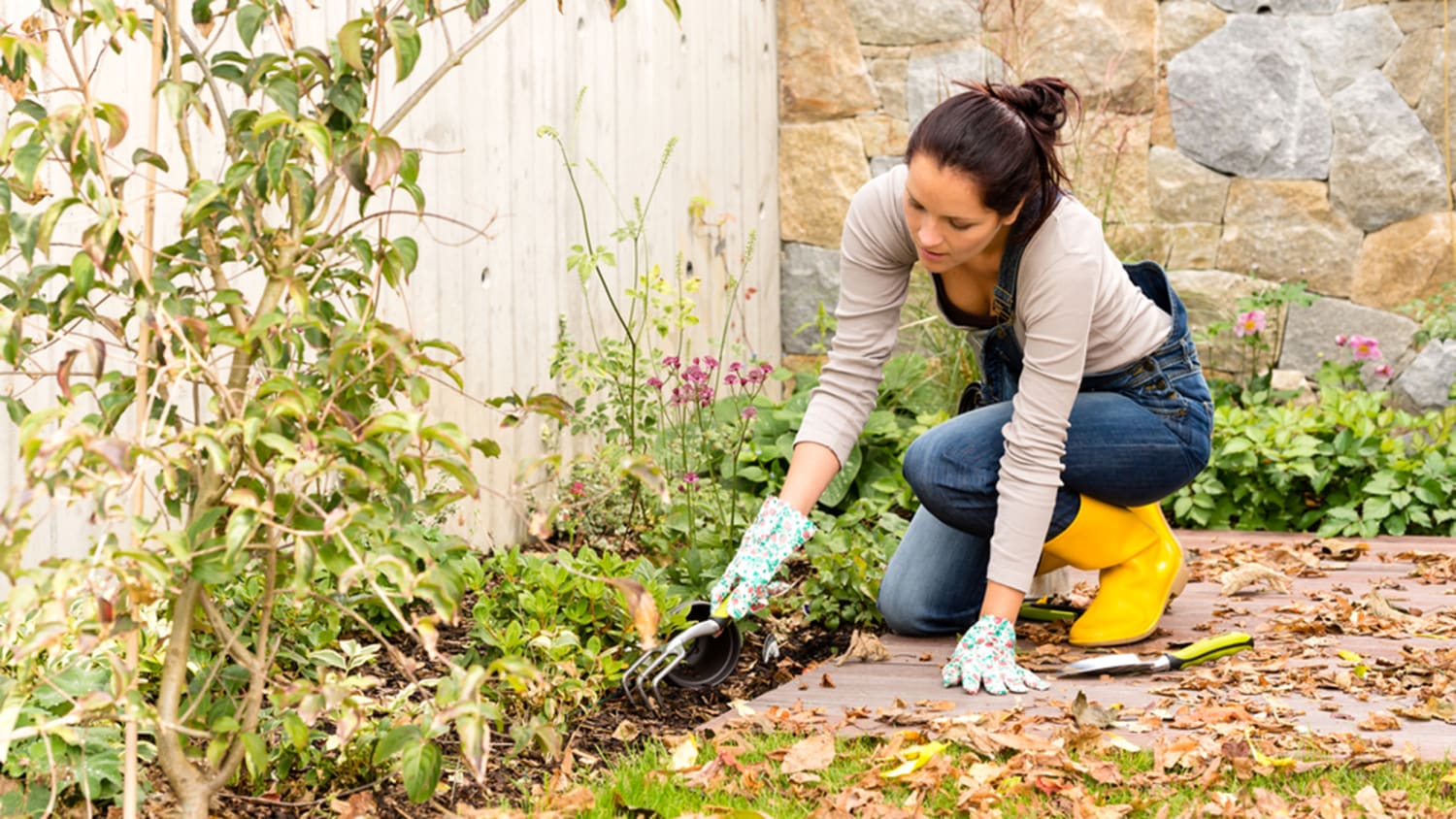
Why you need Gardening Gloves

Ideally, we were moulded from soil and have no problem touching the earth and using it in any way with our bare hands plus breaking plants, pruning and applying the mulch bare handed. However, there is need to dress the fingers while gardening.

Image result
Experts discuss some reasons why you need a pair of gloves while gardening.

  • Prevent nail breakage

Save your finger nails from breaking and keep nails clean as well. One of the greatest physical assets a lady has is the fingernails. Save those finger nails from breaking as a result of digging them in the earth, forcing them to break branches and sowing seeds with hard coats.

  • Prevent cuts 

Image result Notably, gloves will save you from very painful splinters and infected cuts. Most people dread them with the excuse that they are heavy and sweaty – yes they are quite uncomfortable but one gets used to working in them over time because it pays.

  • Protect hands from cuts

Hands are worth taking care of; a good pair of gloves will not only protect you from cuts, particles and pricks from thorns but also keep your hands in shape. Buy fitting gloves. Gloves that are ill fitting are uncomfortable but can also be dangerous. If you are using powerful tools with gloves that don’t fit, they can easily get pulled along with your working tools and leave you unprotected. Also, small or tight gloves limit movement and should not be anywhere near your fingers.
Image result

  • Prevent contact with soil-borne and bacterial infections

Wearing gloves saves you from directly getting into contact with animal waste and deadly chemicals. Gardening with open wounds or cuts exposes you to bacterial infections through contact with waste.


Gloves are made to protect your hands from the mud and keep them clean and dry. They also keep hands warm in cold weather – always wear gloves while gardening!

L&A Safety offers a wide range of safety equipment and clothing, ranging from construction hats and boiler suits to gloves used for gardening, etc. Visit L&A Safety's website today or pop in at one of their branches in Cape Town, Vredenburg or Robertson.

Thursday, 18 August 2016

How disposable gloves will save you in the kitchen

Are they pretty? No. Are they comfortable? Not really. But are they your best friend in the kitchen? Sometimes.

When the messages start rolling in around dinnertime about how your best friend cut a jalapeño and now their hand is on fire – it’s time to bring in the disposable gloves!

Disposable gloves are one of the least attractive things you can wear in a kitchen—or anywhere, for that matter. But it takes just one incident with a jalapeño to proclaim allegiance to the things.

And they're not just a barrier between you and those chillies. Keep a 100-count box in a kitchen drawer for...

1. Meatballs and meatloaves you're going to mix by hand (It keeps the bacteria from burrowing under your fingernails.)


2. Rubbing a raw chicken inside and out with butter and spices.


3. Deveining shrimp? It's so much less disgusting when you do it with gloves.


4. Slicing hot meat, turning out hot muffins or baked goods, or handling hot veggies without burning your fingers. 


5. Garlic and shallots and onions—these foods do not leave their scent on your fingers when you handle them with gloves.


6. With gloves on, food like beetroot, butternut squash, turmeric and cherries will keep their colour to themselves.


7. It's probably more of a girl thing, but by wearing gloves you can protect your nice manicure.


Everybody, manicured or not, has use for disposable gloves in the kitchen. Yes, you'll look like the lunch lady when you're cleaning those chillies. But better to look like her than to deal with dirty, burning or smelly hands, right?


Looking for disposable gloves at an affordable price? Visit L&A Safety's website and have a look through the website, or pop into one of their stores in Cape Town, Vredenburg or Robertson.

Thursday, 28 July 2016

Why Nitrile Gloves are best for Dairy Farming

Disposable gloves have many uses in agriculture, especially when it comes to dairy farming. Nitrile gloves, for example, are perfect for this application.


Research shows that gloves have experienced increased usage in this industry over the past ten years. This is because of a need for improved worker and animal health – not to mention, a desire to produce higher-quality milk. In fact, nearly 50 percent of all dairy farms use gloves because of these reasons.

Nitrile gloves in particular provide several benefits:

- Cleaner milk due to less bacteria transferred from hands to the milk, as the bacteria does not adhere to the nitrile as easily as to the crevices of your hands

- Protection against repeated exposure to teat dips

- Superior resistance to iodine used to prevent contamination between cows, a resistance not found with latex gloves

Wearing gloves is a crucial sanitation practise for dairy farms. If cows become infected, they represent lost revenue. This problem becomes worse if an infection spreads between cows.

Rather than risking lost profits and low-quality milk, dairy farmers should be sure to replenish their nitrile glove supplies to get the appropriate level of barrier protection.


For a wide range of PPE, including a selection of work gloves – visit L&A Safety’s website today or pop in at one of their stores in Cape Town, Vredenburg or Robertson.

Thursday, 14 July 2016

Safety Gloves and Skin Protection at Work

You may use many tools at work, but some of the most important tools you use are your hands. Therefore, it’s important to properly protect your hands from skin injuries on the job site. Skin injuries like cuts or punctures and health problems like dermatitis can occur in a wide variety of industries, not just the industries you would expect.


Hand injuries and skin problems can arise in more dangerous workplaces like construction sites and manufacturing facilities, but they also commonly occur in industries like health care, hairdressing and food service. As a result, many employers need to be aware of these hazards, and both employers and employees need to educate themselves about the best ways to prevent dangerous situations.

Many types of skin problems can occur in the workplace. Let’s take a look at some of the common ones: 

Cuts & Punctures – Sharp pieces of machinery, the blades of tools or needles can easily damage the skin on your hands. While many of these wounds can be cleaned and covered with a plaster, a deep enough wound could require stitches or surgery.

Abrasion – An abrasion is an injury on the surface of the skin that occurs when something scrapes the epidermis, the outer layer of the skin.

Thermal Issues – Working with very hot or very cold objects can cause burns and impede movement.

Chemical Burns – Some substances in the workplace can burn the skin when encountered in certain forms (as liquids, solids or gases). Cement, for example, can cause burns because it has a high pH value, and employees may not even realize the burns are occurring until it’s too late to prevent further damage.

Dermatitis – The skin can become red, inflamed and irritated as a result of working around certain substances (ranging from cement to hair dye) in the workplace. “Irritant contact dermatitis” occurs when something in the work environment irritates the skin and it can lead to pain, blisters, itching and many other unpleasant symptoms. Some people have an immune response to substances in the workplace, which is called “allergic contact dermatitis”. 

These hazards are all very different so they require different kinds of skin protection. Just as no one type of respirator can protect from all air contaminants, no glove can protect from all substances and tasks that could injure the hand. 


Always wear the right PPE, especially for your hands! Visit L&A Safety at one of their stores in Robertson, Vredenburg or Cape Town and place your order today!

Thursday, 23 June 2016

The Importance of Gloves on Industrial Work Sites

When working on an industrial site, wearing safety gloves is a top priority. Understanding of the importance of wearing work gloves on the job and finding a pair that is right for the task at hand is vital in reducing injury.


Below are some key factors to consider when purchasing a pair of work gloves:

Hazard – The first step in finding the right work gloves is to identify the need for hand protection. Consider the industry and setting in which you will be working to determine the hazards you may be up against. Evaluating what could cause you harm (or what you could cause harm) will ultimately determine what kind of glove you’ll need to get the most protection.

For instance, you may need to wear gloves to protect yourself from harmful chemicals. Conversely you may need to wear leather gloves to protect the product your handling from the natural oils on your skin. Other hazards common job-site hazards include cuts or scrapes, viruses or bacteria, extreme temperatures, or electrical currents. Understand the industry and product you’ll be working with before investing in work gloves.

Fit & Agility – Another important component when choosing a proper work glove is the fit. If a glove is too large for a workers hand, the glove could create an obstacle and prevent work from getting done safely. On the other hand, if a glove is too small, this could restrict a worker’s range of motion, again hindering work from getting done. Poorly fitting gloves can cause the hand to cramp or blister, ultimately impairing a worker from doing their job safely. It is important to measure hands in order to find properly sized gloves.


Coating – Depending on the industry, a worker may need gloves with protective coatings to prevent damage from certain elements. For example, if you are working with harsh chemicals, you will need gloves with an impermeable protective coating. Other options of safety gloves include ones made with a special hard backing to prevent puncture from things like needles or cutting tools. Some research should be done before you buy to ensure you are protecting yourself from potential dangers your job will pose.

Recognizing the fact that you need to wear gloves and carefully assessing each of the factors that you need to be protected from will help determine the glove that is right for you. For all of your work glove needs, reach out to the professionals at L&A Safety.

Thursday, 28 April 2016

How to Remove gloves and other Protective Equipment

One of the things that is highlighted a lot is the risks of contamination from removing personal protective equipment. Meticulous removal of PPE is as important as its meticulous donning.

We asked the specialists at L&A Safety what we should keep in mind when removing PPE:

Gloves
You don’t ever want to have bare skin touching the contaminated parts of the glove. Remove the first one by grasping the material between the hand and the cuff, and then pull it off while turning it inside out. Remove the second by using a bare finger to reach underneath the other glove and then pull it off, again so that it turns inside out. Then, wash your hands to remove any breakthrough.

Lab coats
Generally, undo the coat and then pull it off one sleeve at a time, reaching for the inside to avoid contaminating your hands. If the lab coat is grossly contaminated, then you would want to turn it inside out and put it in the proper receptacle for laundering or disposal. For a grossly contaminated coat, you might also want to wear gloves while removing it. Again, wash your hands when you’re done. Ideally, individual lab coats should be hung on individual hooks, so the outside of one doesn’t contaminate the inside of another.

Eye protection
In most cases, eye protection should be the least contaminated thing that you have on and they should stay on until the moment you leave the lab. It’s usually safe just to take them off. If they are contaminated, then you probably need to worry less about how to safely remove them and more about why you’re not already under the shower.

Other things to consider
First, make sure you’re wearing the correct PPE. For gloves in particular, check a safety data sheet and a compatibility chart to make sure you’re using the correct protection for the chemical hazard. 
Also, watch what you touch with your gloves on. Don’t push your eye protection up on the bridge of your nose; don’t use a keyboard that you or others use bare-handed.

Thursday, 17 March 2016

3 factors to help you understand and select firefighter gloves

Of all the clothing items worn by firefighters, perhaps the most misunderstood items are the gloves. Among garments, footwear and helmets, they are considered the throwaway item of the protective ensemble and are often given little consideration in their purchase.  

But hand protection during firefighting is so important! Burns and other injuries to the hand, though lessened over the years, still represent a significant proportion of all injuries. Where there are complaints about the different elements of the protective ensemble, often gloves top the list. Complaints include them being too bulky or too restrictive on hand movements. 

Hand protection challenge:

Protecting firefighters' hands from hazards is actually a relatively difficult challenge. This, combined with our reliance for working with our hands in a variety of tasks during firefighting, imposes tough trade-offs for permitting hand function while providing insulation from heat and protection from physical hazards.


Make sure you have the best gloves for the job – contact L&A Safety today!

In contrast, protecting the other parts of the body — such as torso, arms, legs and feet — with other items of clothing is significantly easier. To gain good protection, hand function and hand comfort is often reduced. This challenge has focused the glove industry to be creative with its selection of materials and development of designs.

Material selection:

Gloves use the same principles of layering materials as applied to garments. Firefighting gloves employ the same functional three-layer construction as turnout gear. For gloves, there is a shell, which may be either leather or textile. Inside the shell is a moisture barrier or barrier layer that may be separate or combined with a thermal lining.

All layers must work together to provide protection to the hands. However, in the selection of these layers there are trade-offs that dictate the use of certain materials to limit the reduction of firefighter dexterity, grip, and tactility.


Design considerations:

As great an impact as the selection of materials might be for glove function, glove design cannot be overlooked. There are several different ways that gloves can be constructed that relate to the way the fingers and thumb are set in the glove pattern. Seam location is critical in affecting hand function because inappropriately placed seams can cause poor fit and hand function.


To learn more about our brave firefighters, click here...

For a wide range of PPE, L&A Safety is your one-stop shop! Whether it be boiler suits, safety goggles, gumboots or hard hats - L&A Safety has it all.

Wednesday, 10 February 2016

The ins and outs of disposable gloves


Do you think disposable gloves are all the same? Well, you’re wrong! There’s actually an array of thin, stretchy gear for your hands that you can toss into the bin at the end of the day.

Whether you work in food service, the medical industry, security or any other – affordable, durable gloves are important! Here are a few pros and cons of what’s on the market today.

1. Most disposable gloves are thin
Your hands can sense temperature and manipulate a wide range of objects, so it’ll be hard to get through the day without the use of them. But put on a thick, heavy pair of welding gloves and good luck trying to fill a prescription bottle or pick up a dainty cupcake.

Although most are quite thin, disposable gloves are also available in thicker sizes. This makes them appropriate for jobs where you need a sturdier touch, but still need your sense of touch.

2. Different materials for different jobs
While most of the population has no problem with latex gloves, some people do suffer terrible allergic reactions. This is why nitrile and vinyl gloves are two other popular, alternative materials.

Nitrile is one of the most common disposable glove materials and it is appropriate for everything from light janitor work to medical jobs. It is a flexible material that offers good touch sensitivity and is commonly used in food handling, veterinary, security and dental work.

3. Disposable gloves are stylish
Okay, so you might not wear them for a night out on the town, but at your job, did you know that you aren’t limited to standard colours?

Disposable gloves come in a wide range of colours, from pink and purple to black and, of course, traditional blue. Maybe you prefer a certain colour or maybe your line of work uses different colours for different jobs. Whatever the reason may be, disposable gloves come in a rainbow of colours.

4. They keep improving all the time
Technology keeps improving disposable gloves, so your choices keep getting stretchier, more resilient and better overall. Some are contoured for a better fit and dexterity, and some have cornstarch inside so they don’t stick to your skin. Some even have vitamin E and lanolin inside to keep your hands baby soft. And, if you work in the food processing field, some disposable gloves have a magnetic property so the risk of losing a small piece in the food is minimized.

As long as people need inexpensive hand protection, disposable gloves will have an important job to do. If you need to get yourself a pair of affordable, durable disposable gloves – L&A Safety is your one stop store for a wide range of PPE.

Monday, 16 November 2015

If you love DIY projects – There are five pairs of gloves you should never be without

A good pair of gloves is vital for performing different tasks around the house, garden or garage. Plus they make great gifts for the mechanic of home-improvement nut in your life. L&A Safety can offer you a full range of gloves to choose from for all your different DIY projects - Check out the website here and place your order!

Here are five pairs of gloves you should never be without if you love DIY…

Nitrile Gloves These gloves hold up to the toughness of many uses, including engine swaps and mechanical teardowns. The only downside to wearing gloves like these is the loss of dexterity, so getting the right size is crucial. Nitrile gloves are resistant to most chemicals, but grease and oil will eventually render them useless. However, whether you are a professional or a weekend warrior, these are essential.

Latex Gloves These gloves should be thicker than the ones at the doctor’s office, and be able to handle most chemicals. They are especially useful when packing wheel bearings and doing oil changes, plus a pair in the back of your truck can really help in any roadside emergency. Multiple uses are obviously out of the question, but they make clean up quick and easy!

Leather Palm Work Gloves Also known as general use or inspection gloves, these thin latex gloves are great when using cleaning chemicals like bleach or heavy engine degreaser. They are also great for applying a clay bar as they keep oil skins from contaminating the clay.

Latex-Dipped Work Glove When you’re handling heavy and obscure objects that don’t require much dexterity, these gloves can handle just about anything. If you’re going to be carrying heavy engine blocks, transmission cases and axle housings around, these are definitely a must!

Welding Gloves No matter what kind of welding you do, it can pose a serious threat to your hands. An insulated pair of welding gloves is a key part of safety. You may have tried to weld without gloves, but once you get burned once, you will never make that mistake again.

While many products focus on protecting the eyes and ears, it is actually the hands that usually bear the brunt of most garage and DIY hazards. This is why it is essential to have the right work gloves for every occasion!

Thursday, 15 October 2015

Food Handling Gloves – What you need to know

When preparing or cooking food, food handling gloves are a vital item to use. We expect all people working in restaurants to use gloves, right?

Well, sometimes you see someone at a cafĂ© or food deli making your sandwich with their bare hands, and your first though is probably – are their hands clean? Proper hand washing and wearing food handling gloves can really cut down on bacteria and germs.

So, what are some of the benefits of wearing gloves when preparing or handling food:

1. Wearing gloves keeps your hands odor and stain free! No one wants their hands to smell like garlic or onions for days on end. And what about those horrible stains you get on your hands from working with beetroot and berries? When you wear food handling gloves, you can just slip them off afterwards and your hands will be clean and fresh.

2. Gloves protect your hands. If you have any cuts or scratches, even a small paper cut, food can sneak in and cause pain or infection. Gloves act as a barrier to keep wounds clean and help them heal faster.

3. You can be protected from illness if you wear gloves when handling food. Raw foods, like chicken contains a lot of germs and bacteria that can carry dangerous diseases and illnesses. Even once you have washed your hands multiple times, some bacteria can still be left behind and settle under your nails.

4. Protecting your food is also important, but even if you wash your hands they still carry a lot of germs and bacteria. So, when working with food that is already prepared it is wise to put on a pair of food handling gloves. It may seem a little inconvenient, but everyone should do it, even if you are chopping veggies for a salad of plating a meal at a restaurant. You don’t want to spread any germs to your friends, family or customers.

5. Wearing gloves can protect your nails and rings from
getting ruined. There is nothing more frustrating than chipping your nail on the vegetable peeler. Not to mention, that missing ring or piece of nail polish may have fallen into whatever you are preparing.

A good pair of gloves in the kitchen goes a long way to prevent germs and so much more. Once you find the right pair for yourself, you’ll never go without them again! For a wide range of gloves to choose from, visit L&A Safety or take a look at their website today.


Tuesday, 22 September 2015

4 reasons why you should always wear dishwashing gloves

If you do a lot of cleaning there is one thing you should have learnt over the years – its always a good idea to wear gloves when you’re doing the household chores! Here are four reasons why you should always wear dishwashing gloves.


If you are looking for a high quality pair of rubber household gloves, try L&A Safety, they have a wide variety of safety equipment and clothing.

1. Better grip
Soapy water and slippery dishes isn’t the best match. Anyone who has dropped a soapy dish, knows how dangerous sharp objects and murky water can be. Wearing gloves when you wash the dishes can allow for much better grip!

2. Protect your skin
Hot water, harsh chemicals and dishwashing liquid can really do a number on your skin. Protect your skin by not allowing it to be exposed to chemicals and high water temperatures that can irritate and dry your hands out. This is especially important if you have any cuts or scratches on your hands. Avoid the pain and chance of infection by exposing your hands to dishwater or other chores.

3. Protect your nails
Torn and broken nails can happen so easily when your nails have been weakened by chemicals and water exposure. Prevent painful snags and tears by wearing gloves when you wash the dishes or do any household chores.

4. Avoid gross stuff
Yes, if you clean the house often you should not be surprised or repulsed by any household job. The fact is, there are jobs in our home that are going to be gross to do. If they are disgusting to think about then they’re not going to be nice to touch and expose our skin to.


Do you wear gloves when you do the household chores? Well, if you answered no, then you really should start wearing them!

Monday, 7 September 2015

The Top 10 Reasons to Wear Gloves when you Garden

Some people who work in the garden never wear gloves, but you’d be surprised how important those gloves really are! Here’s why you should grab your gloves before your even set foot in the garden…


- The spring weather can turn cold in an instant

- Wearing a good pair of gloves will make it look like you know what you’re doing, even if you don’t

- Remember that cats think the world is their litter box, and that includes your garden

- There are far better ways to spend your time then cleaning dirt from under your fingernails

- Toads hibernate in the strangest places; you don’t want to disturb them, especially when you’re not wearing gloves

- Cuts, thorns and scraps on your hands are no fun at all

- Blisters

- Mud treatments are apparently all the rage, but they are highly overrated

- There are probably all sorts of fungi in that dirt you’re just about to put your hands into

- The number one reason to wear gloves in the garden is because L&A Safety sell’s such a wide variety of cool gloves to choose from!


Need an affordable pair of gloves for your gardening adventures? Or maybe you need a pair for something else. Either way give L&A Safety a call today or visit one of their branches in Milnerton, Robertson or Vredenburg.