Showing posts with label L&A safety south Africa. Show all posts

Thursday, 13 July 2017

Do it yourself, but Do it safely!

When you tackle any DIY job it’s important that you know how to be safe, especially if you are a beginner.

Related image

Here’s how to complete your DIY project safely by using the correct PPE…

  ü  Choose the right gear for whatever task you are going to do. If you are going to be welding, you’ll need a welding mask and gloves, if you’re going to be spray painting, you’ll need a respiratory mask, etc.

  ü  If you are unsure of what PPE you will need, do not hesitate to contact L&A Safety on 021 552 0665 or email tish@landasafety.co.za

  ü  To protect your eyes, always use safety goggles or glasses

  ü  To protect your ears, always use ear plugs

  ü  To protect your hands, always wear gloves

  ü  Always make sure your PPE fits properly, otherwise it’s pointless wearing it

General Safety Tips:

     1.       Do not wear loose fitting clothes that could get caught in machines or tools

     2.       Make sure your working area is clean and tidy

     3.       There’s no need to rush! Do your project slowly and safely

     4.       Pack your tools away in a safe place when you are done

     5.       Always have a properly stocked first aid kit close by. Contact Supply Doctor for affordable first aid kits on 087 001 0511/2 or email westcoastsales@supplydoctor.co.za

     6.       Do not use a tool unless you are familiar with how to use it

     7.       All your tools should be in good working condition

A DIY project is a fun, affordable way to get things done around your home or business. However it is vital that you ALWAYS wear the right PPE. Pop into an L&A Safety store in Cape Town, Robertson or Vredenburg today!


Thursday, 25 August 2016

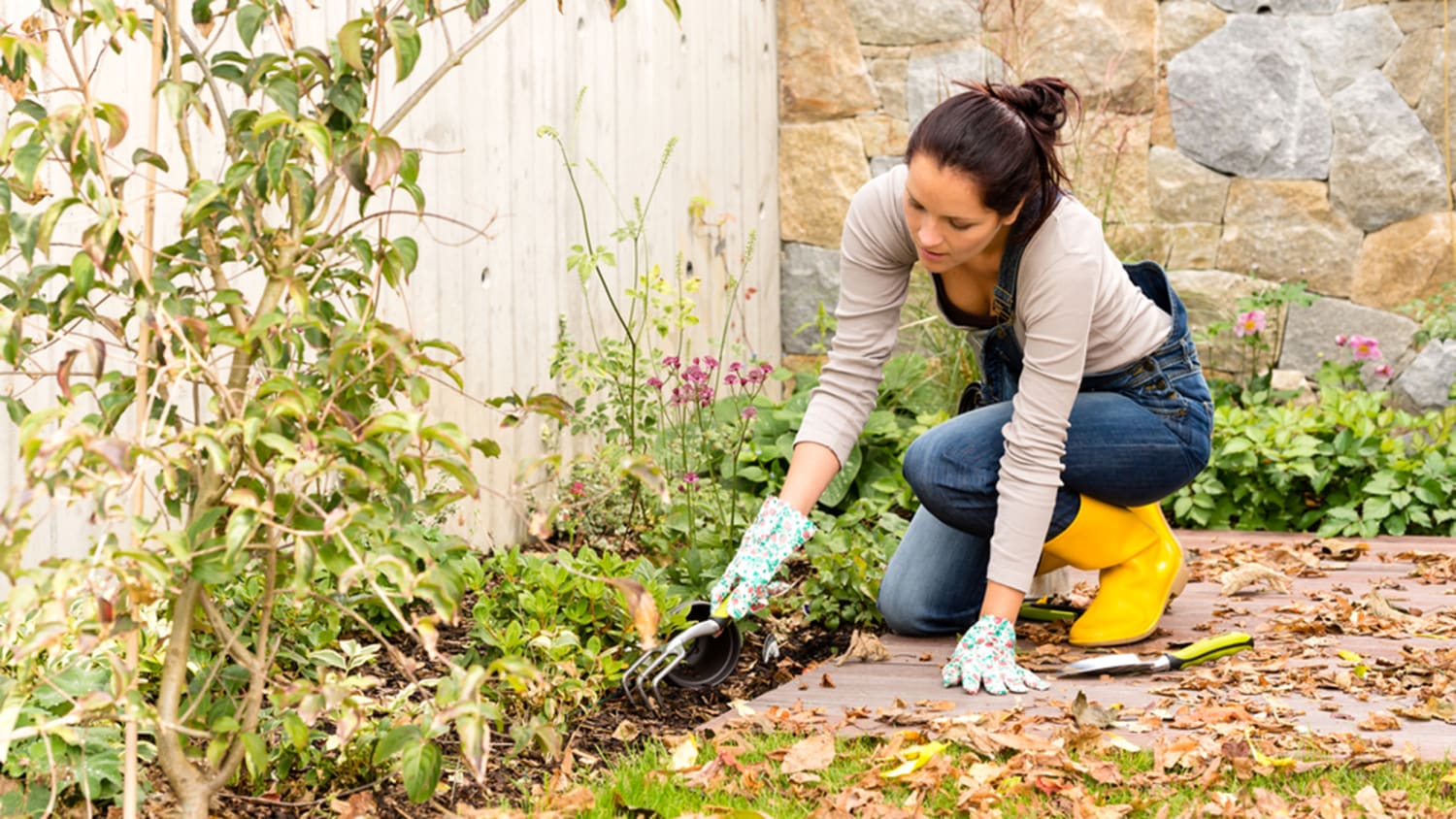
Why you need Gardening Gloves

Ideally, we were moulded from soil and have no problem touching the earth and using it in any way with our bare hands plus breaking plants, pruning and applying the mulch bare handed. However, there is need to dress the fingers while gardening.

Image result
Experts discuss some reasons why you need a pair of gloves while gardening.

  • Prevent nail breakage

Save your finger nails from breaking and keep nails clean as well. One of the greatest physical assets a lady has is the fingernails. Save those finger nails from breaking as a result of digging them in the earth, forcing them to break branches and sowing seeds with hard coats.

  • Prevent cuts 

Image result Notably, gloves will save you from very painful splinters and infected cuts. Most people dread them with the excuse that they are heavy and sweaty – yes they are quite uncomfortable but one gets used to working in them over time because it pays.

  • Protect hands from cuts

Hands are worth taking care of; a good pair of gloves will not only protect you from cuts, particles and pricks from thorns but also keep your hands in shape. Buy fitting gloves. Gloves that are ill fitting are uncomfortable but can also be dangerous. If you are using powerful tools with gloves that don’t fit, they can easily get pulled along with your working tools and leave you unprotected. Also, small or tight gloves limit movement and should not be anywhere near your fingers.
Image result

  • Prevent contact with soil-borne and bacterial infections

Wearing gloves saves you from directly getting into contact with animal waste and deadly chemicals. Gardening with open wounds or cuts exposes you to bacterial infections through contact with waste.


Gloves are made to protect your hands from the mud and keep them clean and dry. They also keep hands warm in cold weather – always wear gloves while gardening!

L&A Safety offers a wide range of safety equipment and clothing, ranging from construction hats and boiler suits to gloves used for gardening, etc. Visit L&A Safety's website today or pop in at one of their branches in Cape Town, Vredenburg or Robertson.

Thursday, 14 July 2016

Safety Gloves and Skin Protection at Work

You may use many tools at work, but some of the most important tools you use are your hands. Therefore, it’s important to properly protect your hands from skin injuries on the job site. Skin injuries like cuts or punctures and health problems like dermatitis can occur in a wide variety of industries, not just the industries you would expect.


Hand injuries and skin problems can arise in more dangerous workplaces like construction sites and manufacturing facilities, but they also commonly occur in industries like health care, hairdressing and food service. As a result, many employers need to be aware of these hazards, and both employers and employees need to educate themselves about the best ways to prevent dangerous situations.

Many types of skin problems can occur in the workplace. Let’s take a look at some of the common ones: 

Cuts & Punctures – Sharp pieces of machinery, the blades of tools or needles can easily damage the skin on your hands. While many of these wounds can be cleaned and covered with a plaster, a deep enough wound could require stitches or surgery.

Abrasion – An abrasion is an injury on the surface of the skin that occurs when something scrapes the epidermis, the outer layer of the skin.

Thermal Issues – Working with very hot or very cold objects can cause burns and impede movement.

Chemical Burns – Some substances in the workplace can burn the skin when encountered in certain forms (as liquids, solids or gases). Cement, for example, can cause burns because it has a high pH value, and employees may not even realize the burns are occurring until it’s too late to prevent further damage.

Dermatitis – The skin can become red, inflamed and irritated as a result of working around certain substances (ranging from cement to hair dye) in the workplace. “Irritant contact dermatitis” occurs when something in the work environment irritates the skin and it can lead to pain, blisters, itching and many other unpleasant symptoms. Some people have an immune response to substances in the workplace, which is called “allergic contact dermatitis”. 

These hazards are all very different so they require different kinds of skin protection. Just as no one type of respirator can protect from all air contaminants, no glove can protect from all substances and tasks that could injure the hand. 


Always wear the right PPE, especially for your hands! Visit L&A Safety at one of their stores in Robertson, Vredenburg or Cape Town and place your order today!

Thursday, 5 May 2016

The Do’s and Don’ts of Winter Construction Work

Whether they’re doing important repairs in the middle of a blizzard or working on a new construction during dangerously low temperatures, construction workers need to wear the proper protective clothing during the winter.


Take these steps during the winter for safe construction. At the same time, it may be worth reviewing the following tips no matter what the current weather is, in case conditions take a turn for the worst.

Here are some basic do’s and don’ts brought to you by L&A Safety for construction professionals to follow during the colder months.

Do: Be cautious around downed power lines
The Occupational Safety & Health Administration mentions this in a list of winter weather guidelines, noting that snowy environments could make live wires even more dangerous than they are normally.

Don’t: Use equipment unsuitable for the weather
The tools workers employ in winter conditions need to be specifically approved for seasonal use. Assuming that a tool fit for warm weather use is equally viable in cold or snow could lead to a possible hazard, as can using any of this equipment incorrectly.

Do: Wear insulated gear
From head to toe, workers can look for apparel that retains body heat and keeps them comfortable. Insulated Gloves, scarves, socks, and coveralls with thermal protection can all be useful, as can boots and helmets with the right insulation.

Don’t: Work too long without breaks
Even with protection, workers shouldn’t spend too much time exposed to the elements. Managers should take precautions to keep workers warm and in good health, such as breaks in a well-heated space to recover.

Do: Keep walkways safe
Move slowly when surfaces are icy, and wear boots with treads to reduce the chance of losing a grip and falling. Sanding or salting slippery patches also helps with traction and get make it easier for crews to make it through high-traffic areas.

Check out the L&A Safety website  for all sorts of occupational safety products.