Showing posts with label PPE South Africa. Show all posts

Thursday, 28 March 2019

Why you should always wear Safety Goggles in these 6 Classes


Using safety goggles while you are dealing with experiments in science glass is essential for a safe, active learning environment. However, choosing the right goggles and using them in the right way is critical to ensure the lab experience is a good as well as a safe one.

Are you looking for safe, reliable and affordably safety goggles, glasses and so much more? Contact L&A Safety, your one stop shop for all your safety clothing and equipment. Contact us today on 021 552 0665 or visit one of our branches in Milnerton, Robertson or Vredenburg.


Science labs and classes aren’t that dangerous, but when you’re working with strong chemicals, fast moving objects and other foreign materials, there is a high chance of accidents and injuries. Different labs and science classes have different risks depending on the types of experiments performed and the equipment used…

Biology. Dissections may need sharp instruments that could cause cuts and hazardous bodily fluid spills. Preservation chemicals used on tissue cultures can also be toxic.

Chemistry. Strong chemicals and chemical reactions can create fumes, splashes and dust that can irritate and damage your eyes. Dropping test tubes, beakers and flasks can also create dangerous shards of glass.

Anatomy. Students in more rigorous anatomy classes may encounter human bodily fluids or may be growing dangerous cultures that could cause infections and injury when in contact with your eyes.

Physics. These classes may use rolling, falling or thrown objects to measure different physical laws, and eye protection is necessary to safeguard against this.

Earth Systems. Studying ecology, geography, and other Earth sciences may lead to experiments with sharp objects, toxic plants, or other items best kept safely away from the eyes.

Geology. Advanced geology may break rocks to examine their strata and sharp objects and rock dust can irritate or injure eyes.

Damage to your eyes does not heal as easily as damage to other parts of your body like your hands. So, make sure you take the proper precautions and wear your safety goggles.

Thursday, 10 January 2019

6 Tips for Farmers to Protect their Hearing


Farmers are often exposed to high levels of noise which can extremely harmful. Fortunately noise exposure can be controlled in a variety of ways. 

Related image

Here are 6 helpful tips agricultural workers can use to protect their hearing…

Reduce noise levels. When you are purchasing new equipment always ask about the sound levels first and pick the quietest option to reduce noise levels.

Perform equipment maintenance. Fix engines that have noisy mufflers, lubricate bearings and replace any parts that are worn out to reduce the noise levels and improve overall farming operations.

Remove yourself from the noise. Try to use motorized equipment that has enclosed cabs to reduce your exposure to high levels of noise.

Always use the proper PPE. Use the correct hearing protection when you’re working in a noisy environment – take a look at the wide range from L&A Safety and place your order today!

"HIGH NOISE ZONE". Always have signage anywhere there is a risk of exposure to high levels of noise and have hearing protection close by!

Limit exposure. Reducing the amount of time you are exposed to noise can limit its harmful effects.

If you’re a farmer of work in the agricultural industry be sure to use these 6 tips and always wear the correct hearing protection!

Tuesday, 4 December 2018

3 reasons why PPE is a must in the Mining Industry


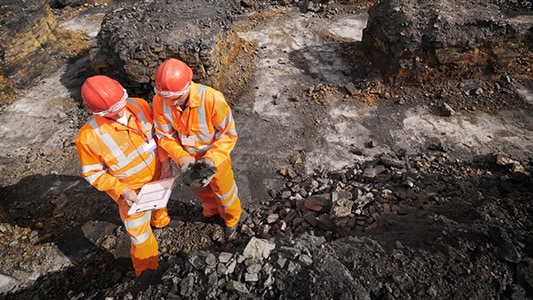
There are many potential hazards and risks that you may come across while working on mining work sites. It is vital for employees to wear the correct safety equipment and PPE as well as follow the safety protocols to protect their health and safety.

Image result for mining

Here are some 3 reasons why protective clothing and equipment is so important:

 - Get noticed. Employees who wear high visibility gear are much more likely to be seen by other people. This is especially important if employees are working near machinery or a road.

- Protect their skin. Protective clothing is specifically designed to protect employees’ skin from cuts, grazes or any other injury.

- Barrier to the elements. Employees are often required to work in extreme conditions such as rain, high winds, cold and extreme heat.

The types of protective equipment used in the mining industry includes safety goggles, steel-toed boots, safety helmets, long-sleeved shirts, long trousers, high visibility vests, ear plugs and hats.
Businesses are required to train their employees on the appropriate way to wear protective equipment and how to use it correctly.

Organisations must also ensure anyone visiting the workplace wears the appropriate protective equipment where necessary. It’s then essential to inform any visitors of safety procedures and alert them of potential hazards.

But, where can you buy this clothing? It is important to purchase the right personal protective clothing for each specific situation to protect employee’s health and safety. It would be a good idea to check out landasafety.co.za, where they have a wide range of personal protective equipment.

Image result for mining

Wearing protective clothing when working in the mining industry won’t stop accidents from happening, but it can greatly reduce the risk of injuries and health problems.

Thursday, 14 June 2018

The 7 Benefits of Wearing Waterproof Footwear


When you’re in the workplace, whether it’s raining torrentially or you’re in the middle of a disaster situation, wearing the right footwear for the both is vital.

Image result for raining

Here are the main benefits of having waterproof footwear for the job…

1. Warm, dry feet. This is one of the most obvious reasons to wear waterproof footwear when necessary! When you have to deal with extreme weather conditions such as flooding, you don’t want to have to deal with having wet, cold feet.

2. Staying hygienic. Water running through the streets is pretty dirty and when you have to walk through floodwater it can mean you are exposing yourself to all sorts of contaminants. Often this can lead to health issues, so it’s best to wear the correct waterproof footwear at all times.

3. Protection from debris. Do you know what is hidden beneath that puddle of water? All kinds of debris and possibly hazardous items can be uprooted by the wet weather and possibly cause a serious injury. Your best bet is to wear sturdy, waterproof footwear that offer protection; it might even be wise to consider steel-toed safety boots.

4. Avoiding slipping. Even when you can see where you are going, wet conditions can cause slipping. Avoid a disastrous situation, such as falling and injuring yourself, by wearing waterproof footwear that has rubber or strong grips on the bottom for solid resistance, traction and a secure grip.

5. Resistance to chemicals. If you’re stuck in a disastrous situation or it’s flooding badly, be aware that water shouldn’t be the only liquid you should be worried about. Chemicals, fuels and solvents can often be disrupted by flood waters and high winds, so consider a high quality pair of rubber boots and always have an emergency first aid kit nearby (Get yours online from Supply Doctor)

6. Shock protection. Extreme wet weather and strong winds can bring trees down as well as power lines and this can be a serious danger. While you should never walk close to a downed power line, you should always wear waterproof safety shoes that are rubber and antistatic. These will help avoid any electrostatic charges and shocks.

7. Comfort. This one might seem obvious, but when you’re in the middle of a flood or extremely wet weather, having dry feet can make a huge difference in how you respond and get your work done. There are waterproof boots and footwear that are shock absorbing as well as lightweight, which is vital when you’re on your feet for long periods of time.

In addition to the correct waterproof footwear, you also need the correct PPE. L&A Safety in Cape Town, Robertson and Vredenburg offer high-quality, reliable PPE that everyone can afford! Take a look at the website here, call 021 552 0665 or email tish@landasafety.co.za