Thursday, 15 February 2018

Which Gloves should you wear for Dairy Farming?

In agriculture, gloves have many uses and they are an important part of the job, especially when it comes to the dairy farming business.

The gloves that many people in the business swear by are disposable nitrile gloves, but why? Studies show that worker and animal health needs to be improved as well as high quality milk. This is why nitrile gloves are used on a regular basis.

Image result for dairy farming

Here are the main benefits:

>> Less bacteria is transferred from the hands to the milk which means the milk is cleaner. Nitrile gloves make it difficult for the bacteria to stick to the hands when compared to the crevices of your hands without gloves on.

>> Nitrile gloves protect against repeated exposure to teat dips.

>> Superior resistance to iodine used to prevent contamination between cows, a resistance not found with latex gloves

Wearing gloves for protection is vital in the dairy farming industry. If a cow becomes infected or sick, this means precious time and money lost for the farmers. Plus the problem will become worse if the infection spreads to other cows.

Rather than taking that risk, all dairy farmers should stock up on nitrile glove supplies to provide the correct protection.

Related image


For a wide range of PPE, including a nitrile gloves and a selection of work gloves – visit L&A Safety’s website today or pop in at one of their stores in Cape Town, Vredenburg or Robertson.

Thursday, 8 February 2018

Construction Safety Topics to discuss in the Workplace

Safety during construction should not be taken lightly. This is why discussing construction safety topics before work starts are highly important.

So, what is the main aim towards holding safety meetings? For every business or organisation, its employees’ safety and security is of the utmost importance. This is why; these topics can help reduce the number of injuries and even fatalities suffered by workers. If workers are exposed to hazards while they are inside or outside the work zone, the responsibility of the supervisor increases.

Image result for construction site

For helpful topics on construction safety, consider discussing the following topics…

- Use of first aid
- Use of hard hats
- Power tool safety
- Proper personal hygiene
- Proper road work safety
- Effects of sleep deprivation
- How to drive construction vehicles during winter
- What are workplace distractions
- Hearing protection devices
- Fall rescue techniques
- Proper grounding checks
- Asphalt worker safety
- Proper construction site hygiene
- Why is safety important in the workplace
- Asbestos use in construction
- Emergency fall response
- Construction fall protection
- Contractor safety work permit
- Construction ladder safety
- Demolition safety planning
- Safe lifting techniques
- Safety rules for power tools
- Employee safety responsibilities
- Are we prepared for an emergency
- Crane operation hand signals
- Importance of safety training
- Demolition safety checklist
- Hazardous material warning labels
- How to handle injuries
- Safety regulations in the workplace
- Construction site electrical hazards check list


The safety topics provided in this list will help employers and employees become educated better about workplace safety and security, ultimately reducing any chance of mistakes.

Looking for affordable and reliable PPE including safety boots, hats, gloves, clothing, equipment, etc. Pop into an L&A Safety store in Cape Town, Vredenburg or Robertson or visit the website www.landasafety.co.za

Thursday, 18 January 2018

L&A Safety Products – Frams Safety Footwear

L&A Safety have branches throughout the west coast, including Cape Town, Robertson and Vredenburg. With a wide range of PPE on offer, from hard hats and safety goggles to reflective vests and work boots – L&A safety is your one-stop shop for quality safety wear and equipment.


You can order your Frams Safety Footwear online or from any L&A Safety store.

Frams is an original South African safety footwear brand that is proudly part of the BBF Safety Group (Pty) Ltd. Everything about this consistent, economical, reliable footwear is aimed at pleasing all customers, from general work to heavy construction and mining duties.

With a wide range of customers comes a wide range of needs, everyone is faced with different challenges when it comes to their safety, here are the key features that Frams offers…

- Steel toe caps
- Male and female footwear
- Genuine leather design
- Chemical protection
- Non-conductive
- Antistatic

If you work in these industries it is recommended that you buy a pair of Frams safety footwear…

- General work
- Agriculture
- Construction
- Smelting/foundries
- Mining
- Transport

Image result for frams footwear

Do not hesitate to contact us today to order your Frams safety footwear…

▪ MILNERTON
Unit 19, Central Park, Platinum Crescent
T: +27 (0)21 552 - 0665

E: tish@landasafety.co.za


▪ VREDENBURG
Shop 16, Westcoast Centre, Cnr. Long & School Street
T: +27 (0)22 713 - 3149

E: vredenburg@landasafety.co.za


▪ ROBERTSON
Unit 2, Cnr. Church & Industrial Street

T: +27 (0)76 532 - 5533

E: bensin@natko.co.za

Thursday, 14 December 2017

Preventing Safety Hazards in the Workplace

Related imageWhen you are at work, there are important things you should keep in mind to prevent any injuries. There are some guidelines in place to control, correct and prevent potential and current hazards. You should understand the guidelines for equipment you are operating and wear all required protective clothing to make sure you stay safe while in the workplace. It is important that you make sure that safety precautions are always followed…

     1.       Follow all work safety procedures. Wear protective gloves, safety masks and ear protection when required. Wear safety goggles and follow all instructional policies for the equipment being operated.

     2.       Provide regular breaks for employees in hazardous working conditions. Rotate workers through various areas and provide exercise breaks for employees to prevent fatigue.

     3.       Make sure to give employees and management hazard training and assessment classes. All machines and techniques involved with the job need to be taught and repeated throughout the work force. Make all employees aware of the dangers and hazards of all equipment and supplies they deal with on a daily basis.

     4.       Track all corrections made to hazardous work areas. Always keep records of any accidents that occur in the workplace. Use this documentation to locate possible hazards and work to eliminate future accidents.

     5.       Conduct preventative maintenance on all equipment and systems before replacement or repair is needed to prevent workplace hazards.

     6.       Prepare for emergencies, whether accidental or those of natural cause such as the weather. Have drills and plans of action in place.

     7.       Implement medical programs within the business. The size and scope of the medical program will vary based on the number of employees and characteristics in the workplace. Larger companies can even hire on-site medical staff while smaller companies should make arrangements with local clinics.

As an employer you have a responsibility to protect workers against safety hazards at work, as they exist in every workplace. Some are easily identified and corrected, while others create extremely dangerous situations. The best thing to do is learn how to prevent them!


Are you in need of some quality safety wear and equipment at an affordable price? Visit L&A Safety in Cape Town, Robertson or Vredenburg or visit www.landasafety.co.za today!

Thursday, 23 November 2017

How to Stay Safe while Welding

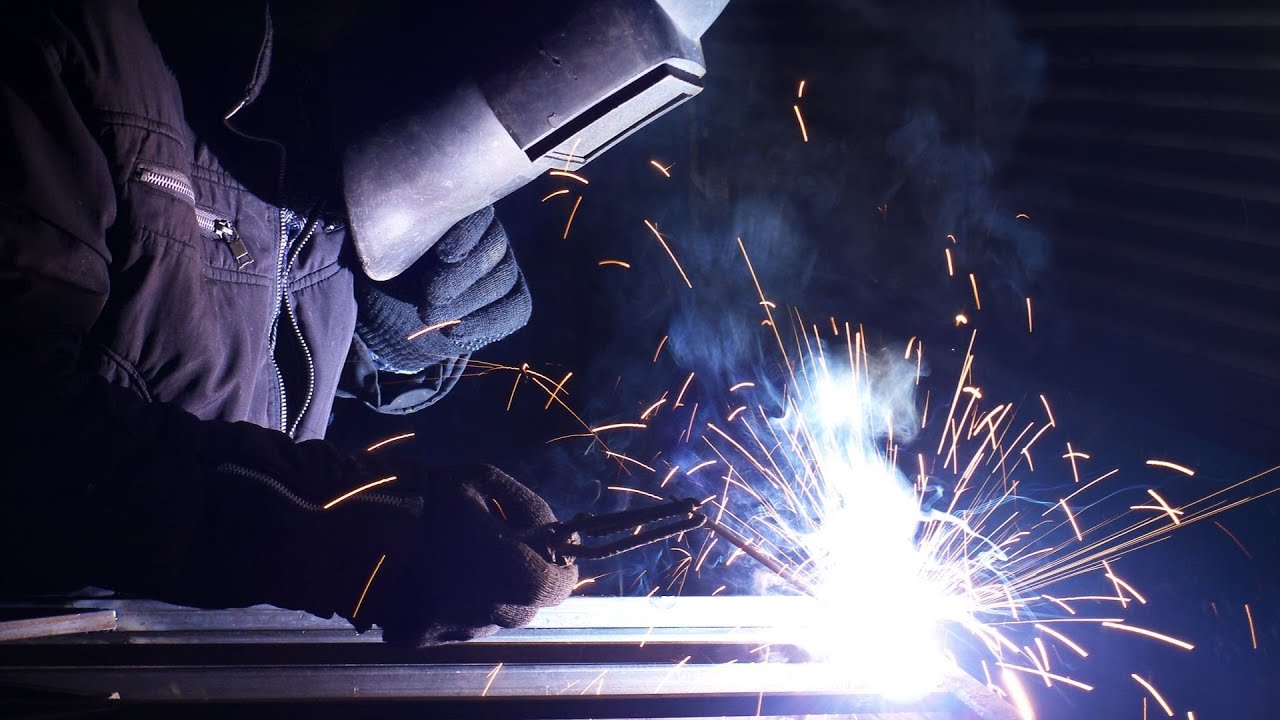
There are many risks when welding; some of them include electric shock, inhaling toxic fumes, injuring your eyes and burns.

Image result for welding

These risks mean that protective clothing should ALWAYS be worn during all welding operations… The correct welding protective gear includes:

Respirator / Welding Mask – There are many different types of masks to choose from, you need to buy the one that is created for the tasks you will be doing.

Ventilation – Before you start welding make sure the area has the correct ventilation. If an area is badly ventilated it can lead to plume poisoning. Should you feel you have inhaled any toxic fumes – get help right away!

Make sure your welding area is clean and check any gasses for leaks.

Eye Protection – Protect your eyes from flying debris and the effects of ultraviolet light with the right eye protection. Different types of welding means you may need types of helmets, varying from shade number, lenses and comfort.

Fire Protection – Did you know that welding sparks can cause fires? Keep a fire extinguisher close by as well as water and sand.

Protective clothing – All your skin needs to be covered when you are welding in order to protect from metal and sparks.

Image result for welding


For all your PPE clothing and equipment, contact L&A Safety or visit on of their branches in Cape Town, Vredenburg and Robertson.

Thursday, 9 November 2017

The Most Important Safety Features that Work Boots need...

Safety is obviously the most important aspect of a work boot. But it you are a construction worker for example, your work boots are going to differ from an electricians’. 

Related image

Need a reliable pair of work boots? Just visit L&A Safety today! But, it does pay to know what kind of conditions you will be up against before you head out onto the field!

Here is a rundown of some of the most commonly seen work boot safety features.

SAFETY TOES
The safety toe is probably the most talked about work boot safety feature, and a steel-toe boot is for more than just kicking someone’s butt. If you work in the lumber, carpentry, or construction industries, work boots with safety toes are a must.

Any time you find yourself working in a situation where heavy objects could potentially fall in your vicinity, safety toes are a good idea, as they can prevent serious foot injuries. However, not all safety toes are created equal—they can typically be found in three varieties:

- Steel Toe
- Composite Toe
- Aluminum Toe

Related image

PUNCTURE PLATE
If you work in construction or in any field requiring you to trudge through rubble, debris, or demolition zones, puncture plates are a must. Without a puncture plate, you risk serious injury by way of stepping on a potentially tetanus-laden nail or jagged glass chip.

A nail in the foot has to be among the worst reasons to leave work early. Luckily, a puncture plate is a common work boot feature that keeps the bottoms of your feet safe. The puncture plate lies between the insole and midsole, providing additional support along with guarding against punctures and pierces.

OUTSOLE GRIP
Grip is vital to staying on your feet. A pair of boots with a solid grip is going to do a significantly better job of keeping you right side up than boots without. As mentioned before, over one-third of all fatal construction accidents are a result of a slip or fall.

Traction is key. There are limitless workplace scenarios where slipping and falling can pose a major hazard. Many workers need to balance on metal roofs or uneven surfaces. Worse still, oil slicks and/or precipitation greatly increase the odds of slippage.

So, how can you avoid falls? Being mindful and aware is probably the greatest accident prevention method, but sometimes the only way to conquer hazardous conditions is with the right gear.

Related image

ELECTRICAL RESISTANCE
Do you work around live wires and other electrical hazards? It’s best to be protected against electrical injury from the bottom up.

First off, do not wear steel toe or aluminum toe boots if electrical hazards are abound in your line of work. A composite toe is a great alternative to metal toed boots because there is no threat of electrical conduction, and the odds of static shock is significantly decreased with the plastics found in composite materials.

Safety first. Always. The right work boots can save you a toe, or even your life. You never know what can happen out on the field, but it’s important to prepare with the best gear for the job.

Thursday, 26 October 2017

Wearing PPE can sometimes expose you to Hidden Dangers

PPE (Personal Protection Equipment) is clothing or equipment that people wear to protect them from dangers in the workplace. Whether you are working in a factory, or handle chemicals daily in a lab, PPE should always be worn to minimize your exposure to anything dangerous.

Related image

For affordable PPE, including safety wear and equipment, visit L&A Safety’s website or pop into one of their stores in Cape Town, Robertson or Vredenburg.

The negative side is that wearing PPE improperly can sometimes expose you to hidden dangers…

>> It creates a false sense of security

Having a false sense of security can be deadly! Just because you are wearing the correct PPE doesn’t mean you are invincible – accidents can still happen. Workers who believe they are completely protected from chemicals, electricity, sharp objects, etc. can be careless.

>> It can sometimes create hazards

Each piece of PPE doesn’t fit everyone the same – it is designed differently for each job and wearing the wrong type of protection or the wrong size can put someone in serious danger.

Image result for wearing PPE

>> Pre-Contact vs. Point-of-contact

PPE protects workers during point-of-contact hazards, such as exposure to ultraviolet light or contact with dangerous acid. Yes, PPE improves worker safety by reducing the risk of injury, but it doesn’t eliminate the hazard! Pre-contact controls are essential to improving worker safety as they eliminate hazards completely.

PPE can include anything from helmets, hard hats and safety shoes to hearing protection and so much more. So make sure your PPE program is planned out carefully and introduced in stages.