Showing posts with label Personal Protection Equipment. Show all posts

Thursday, 21 February 2019

3 Ways wearing PPE can sometimes expose you to hidden dangers


If you want to protect yourself from dangers in the workplace you need to wear Personal Protection Equipment (PPE)! Whether you work in a factory, construction site or laboratory, you always need to wear the correct PPE to avoid injuring yourself or exposing yourself to anything dangerous.

For affordable PPE, including safety wear and equipment, visit L&A Safety’s website or pop into one of their stores in Cape Town, Robertson or Vredenburg.

If you’re not careful, there can be a negative side to wearing PPE, especially if you use it improperly…

It can give you a false sense of security

A false sense of security can be dangerous and even deadly! Just because you are wearing your PPE doesn’t mean you cannot be harmed, accidents can still happen. Workers who wear PPE and believe they are completely protected can be careless when it comes to handling chemicals, electricity and other dangerous objects.

Related image

It can create hazards

PPE doesn’t fit everyone the same, it is not one size fits all, so you need to wear the PPE that is specifically designed for your work. If you wear the wrong PPE protection or the incorrect size then you are putting yourself in harm’s way.


Pre-contact vs. point-of-contact

PPE protects workers during point-of-contact hazards, such as exposure to ultraviolet light or contact with dangerous acid. Yes, PPE improves worker safety by reducing the risk of injury, but it doesn’t eliminate the hazard! Pre-contact controls are essential to improving worker safety as they eliminate hazards completely.
Related image

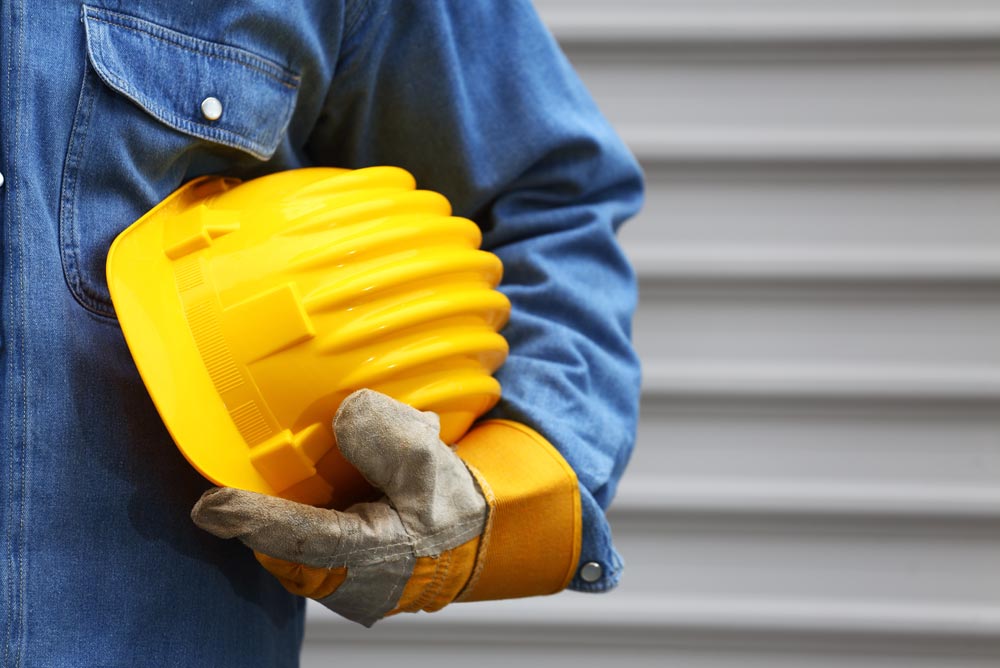
PPE includes hard hats, helmets, safety boots, gloves and masks as well as hearing protection and so much more – always wear the correct PPE and plan out your PPE program carefully.

Thursday, 26 October 2017

Wearing PPE can sometimes expose you to Hidden Dangers

PPE (Personal Protection Equipment) is clothing or equipment that people wear to protect them from dangers in the workplace. Whether you are working in a factory, or handle chemicals daily in a lab, PPE should always be worn to minimize your exposure to anything dangerous.

Related image

For affordable PPE, including safety wear and equipment, visit L&A Safety’s website or pop into one of their stores in Cape Town, Robertson or Vredenburg.

The negative side is that wearing PPE improperly can sometimes expose you to hidden dangers…

>> It creates a false sense of security

Having a false sense of security can be deadly! Just because you are wearing the correct PPE doesn’t mean you are invincible – accidents can still happen. Workers who believe they are completely protected from chemicals, electricity, sharp objects, etc. can be careless.

>> It can sometimes create hazards

Each piece of PPE doesn’t fit everyone the same – it is designed differently for each job and wearing the wrong type of protection or the wrong size can put someone in serious danger.

Image result for wearing PPE

>> Pre-Contact vs. Point-of-contact

PPE protects workers during point-of-contact hazards, such as exposure to ultraviolet light or contact with dangerous acid. Yes, PPE improves worker safety by reducing the risk of injury, but it doesn’t eliminate the hazard! Pre-contact controls are essential to improving worker safety as they eliminate hazards completely.

PPE can include anything from helmets, hard hats and safety shoes to hearing protection and so much more. So make sure your PPE program is planned out carefully and introduced in stages.


Thursday, 27 July 2017

Stop using these Safety Excuses!

If you have been a safety professional for a while, you’ve probably heard all the safety excuses in the world. They can range from the most ignorant excuse to the absolute absurd. Yet we continue to hear them.

Related image

Make sure to check out L&A Safety for a wide range of quality safety wear and equipment, don't make any excuses - order today!

Part of a safety professional’s job is to get these people to understand that by making excuses they are actually putting lives at risk. Here are some of the most common safety excuses.

   I’ve been doing it this way for xxx yearsOkay I’m pretty sure that every single person has heard this one before! Old-schoolers are very resistant to change, that’s why they believe that what they have been doing for all those years is okay. Just because a man has never died before from falling doesn’t mean he should never wear fall protection.

  Seemed like a good idea at the timeDid it? You should never buy into this excuse. This statement shows that certain employees never stopped to think before what they were about to do. One of your biggest tools in your toolbox should always be planning.

 I have a job to do / I wasn’t thinking / I forgotThis excuse shows that the worker does not take their own safety very seriously. If a worker has this attitude they have not been properly educated on the risks of their job, they probably need training and quickly!

 This is how I was told to do it / the boss said…If this excuse is accurate then you may have a problem and the supervision is putting the workforce in serious danger. First you have to get the employee to understand that they have a say in their own safety and they need to speak up, especially if they feel they have been forced into a dangerous situation.

 You caught me the ONE time I did this
This excuse is actually quite funny. How many times have you seen a worker the ONE time they weren’t wearing their safety goggles. The fact of the matter is, if you catch somebody during an inspection, odds are they’ve done the exact same thing before when you weren’t around.

Sometimes the worst thing about these safety excuses is that the companies or workers actually believe them. Part of being in the safety profession is to understand that an excuse is an excuse and it can lead to dangerous accidents.

Thursday, 3 November 2016

The most Important PPE used Onboard Ships

Safety of self and co-workers is the prime priority kept in mind by a professional seafarer while working onboard a ship. All shipping companies ensure that their crew follow personal safety procedures and rules for all the operations carried onboard.

Image result

To achieve the utmost safety onboard a ship, the basic first step is to make sure that everybody wears their personal protective equipment made for different types of jobs carried out on ship. Looking for affordable PPE? Visit L&A safety's website and place your orders!

Here is the basic personal protective equipment (PPE) that is always present onboard a ship to ensure safety of the working crew:

1)      Protective Clothing: Protective clothing is a coverall which protects the body of the crew member from hazardous substance like hot oil, water, welding spark etc. It is popularly known as a boiler suit.

2)      Helmet: The most important part of the human body is the head. It needs utmost protection which is provided by a hard hat. A chin strap is also provided with the helmet which keeps the helmet on place when there is a trip or fall.

3)      Safety Shoes: Most of the internal space of the ship is utilized by cargo and machinery, which is made of hard metal and can make it awkward for the crew to walk around. Safety shoes ensure that nothing happens to the crew member’s feet while working or walking onboard.

4)      Safety Hand gloves: Different types of hand gloves are provided onboard. All these are used in operations wherein it becomes imperative to protect ones hands.  Some of the gloves provided are heat resistant gloves to work on hot surface, cotton gloves for normal operation, welding gloves, chemical gloves etc.

5)      Goggles: Eyes are the most sensitive part of the human body and in daily operations; chances are high that eye injury may occur. Protective glass or goggles are used for eye protection, whereas welding goggles are used for welding operation which protects the eyes from high intensity sparks.

6)      Ear Muff/plug: The Engine room of the ship produces 110-120 db of sound which is very high for human ears. Even few minutes of exposure can lead to head ache, irritation and sometimes partial or full hearing loss. Ear muffs or ear plugs are used onboard ships to dampen the noise to a bearable decibel value.

7)      Safety harness: Routine ship operation includes maintenance and painting of high and elevated surfaces which require crew members to reach areas that are not easily accessible. To avoid a fall from such heightened area, a safety harness needs to be used. A safety harness is donned by the operator at one end and tied at a strong point on the other end.

8)      Face mask: Working on insulation surface, painting or carbon cleaning involves minor hazardous particles which are harmful for human body if inhaled directly. To avoid this, a face mask is provided which acts as shield from hazardous particles and chemicals.

9)      Chemical suit: Use of chemicals onboard a ship happens frequently and some chemicals are very dangerous when they come in direct contact with human skin. A chemical suit is worn to avoid such situations.

10)  Welding shield: Welding is a very common operation onboard a ship for structural repairs. A welder is provided with a welding shield or mask which protects the eyes from coming in direct contact with ultraviolet rays of the spark of the weld.

Image result

Thursday, 22 September 2016

The Truth about PPE

PPE (Personal Protective Equipment) is designed to protect employees from serious workplace injuries and illnesses caused from chemical, radiological, physical, electrical or mechanical hazards. The truth is that PPE is paramount for your protection, as it provides the last line of defence against an injury.

98% of employees said they have seen others not wearing PPE when they should have been and 30% said this happens repeatedly!

What are the top four excuses for not wearing proper PPE?

- Looks unattractive
- Too hot
- Poor fit
- Now easy accessible

Head Injuries
Image result for head PPE
9% of all injuries are head injuries
84% of employees who sustain a head injuiry are not wearing head protection

Eye Injuries
Image result

50% of construction workers will suffer a serious eye injury during their career
90% of all workplace eye injuries are preventable with the use of proper safety eyewear

Hand Injuries
Image result
25% of all workplace accidents involve hands and fingers
Wearing gloves can reduce hand injury by 60%

Ear Injuries
Image result
25% of workers are regularly exposed to noises at or above recommended limits
99% of noise-induced hearing loss is preventable if proper hearing protection is used


Put it on! From head to toe, always make sure you have the right protection for the job! 

Looking for affordable PPE?  Visit L&A Safety's website or pop in to one of the branches in Cape Town, Vredenburg or Robertston!

Thursday, 9 June 2016

Hearing Loss among Farmers and Agricultural Workers


Why Should Farmers and Agricultural Workers be Concerned About Hearing Loss?
  • Hearing loss from exposure to noise is common among farmers and agricultural worker
  • Hearing loss from noise is permanent and irreversible
  • Hearing loss causes loss of life quality for farmers and farm families
  • For most farmers, hearing loss occurs gradually over many years and may only be noticed once it is a serious problem
  • Hearing loss from noise can be prevented

What are the Sources of Hazardous Noise in Agriculture?

Hazardous levels of noise are produced by many kinds of agricultural equipment, including:
  • grain dryers
  • tractors
  • combines
  • livestock
  • chainsaws
  • firearms

What is Too Loud?

Any noise that leaves you with ringing in the ears or a temporary reduction in your hearing is TOO LOUD! If you are in a noisy location and you have to raise your voice above a normal speaking voice just to be heard, the noise is TOO LOUD!

How Can Farmers Protect Their Hearing?

Exposure to noise can be controlled many ways. The following are common methods for agricultural workers:

1. Reduce Sound Levels. When selecting new equipment, ask about sound levels and pick the quietest option.

2. Perform routine equipment maintenance. For example, fixing mufflers on engines, lubricating bearings, and replacing worn parts will reduce noise levels and improve farming operations.

3. Isolate yourself from noise. Working in motorized equipment equipped with cabs or enclosures will reduce noise exposure. Open tractors, loaders, and ATV exposure operators to more noise than similar equipment with enclosed cabs. 

4. Use personal protective equipment. Since purchasing newer, quieter equipment is not always an option, use hearing protection when working in noisy settings. The earmuff style offers the best protection and is easy to use. Expandable ear plugs are the next best option but these require proper insertion to be effective: roll them up, insert into the ear, hold in place while they expand to fill the ear canal. 

5. Mark “HIGH NOISE ZONE” anywhere there is risk of excessive noise exposure. Have a set of earmuffs or earplugs in or near every high noise setting on the farm. The less trouble hearing protection is to use, the more likely it will be used.

6. Limit daily exposure duration. Reducing the amount of time you are exposed to noise can limit its harmful effects.

How to Wear Soft Foam Earplugs

To get the best protection from your soft foam earplugs, remember to roll, pull, and hold when putting them in. Use clean hands to keep from getting dirt and germs into your ears!

Roll
Roll the earplug up into a small, thin "snake" with your fingers. You can use one or both hands.

Pull
Pull the top of your ear up and back with your opposite hand to straighten out your ear canal. The rolled-up earplug should slide right in.

Hold
Hold the earplug in with your finger. Count to 20 or 30 out loud while waiting for the plug to expand and fill the ear canal. Your voice will sound muffled when the plug has made a good seal.

Check the fit when you're all done. Most of the foam body of the earplug should be within the ear canal. Try cupping your hands tightly over your ears. If sounds are much more muffled with your hands in place, the earplug may not be sealing properly. Take the earplug out and try again.

Always make sure to wear the proper ear protection!

Thursday, 2 June 2016

Future trends in PPE

Good fit, comfort and sustainability, in relation to PPE, were three areas of focus in a recently published report identifying growth areas for PPE. The report was compiled using recent global research in occupational health and safety trends.

The report focuses on two areas where effective use of PPE can minimise risks – hearing and respiratory protection.

Effectiveness of PPE is governed by the fit and one size will not fit all, when it comes to hearing and respiratory protection. Fortunately, technology has developed in response to demand and the report draws attention to innovative new fit testing techniques for hearing and respiratory protection that allow health and safety managers to confirm that the PPE is suitable for each individual. The report also looks into improvements in design, as workers demand that their respirators release hot humid air quickly to avoid build-up of unpleasant heat inside their masks.

An emerging issue it highlights is the need for end-of-service life indicators for respirators. Currently, the cartridge change schedule is based on modelling, but the report looks to future developments in end-of-service life indicators that may allow workers to tailor the cartridge change schedule to individual situations.

The report draws attention to the importance of comfort as well as the potential fit and comfort problems created by combining separate items of PPE. The report says ‘When PPE is competing for space on the same face and head, and the products are designed to be used individually, workers may be tempted to remove or improperly use one component or the other’. The report urges safety and health professionals consider all the different types of PPE being used when selecting specific models and to provide equipment that works well together, in terms of fit and comfort.

Other trends detailed in the report include: managing PPE supply and demand through a vending machine, the need for customised PPE for certain industries, and sustainability.

The advantages of using a vending machine for dispensing PPE include being able to track which employee and department received each piece of equipment. The machine also notifies the distributor when stock needs to be replenished.

It is easy to see that demand for industry-specific PPE would increase as the knowledge around what is causing health and safety problems increases. Industries cited in the report as potentially benefiting from specifically designed PPE, include mining – where hearing loss is a huge issue, food and beverage – where respirators need to protect against particulate hazards, such as flour and grain, and the military, which has to combine hearing protection with the need to be able to hear and communicate instructions. Although not mentioned in the report, increasing use and awareness of the risks of nanomaterials could also lead to more demand for specifically designed PPE.

Sustainability is a worthy inclusion in the report and also an important one. Companies are increasingly looking to become more sustainable in the way they operate and companies manufacturing and providing PPE are no exception.

The report states that currently PPE manufacturers use materials derived from fossils resources – such as polyester, polyamide, polyethylene and other polymers – and in the future PPE manufacturers may look at using more biopolymers for disposable PPE, and other natural fibres, such as hemp and linen.

The report also reminds that improvement in tracking and tracing and the addition of end-of-service indicators would help extend the life of PPE and so reduce its carbon footprint.

Thursday, 26 May 2016

What exactly is PPE?

In some careers, employers are expected to provide, replace as well as pay for personal protective equipment. You need to know that PPE is used in the event that all the measures fail to control exposure. In other words, it will only protect the wearer when he or she is putting it on. In case it fails, then an employee should not anticipate any form of protection at all.

Types of PPE

There are different types of PPE you will come across. The common types include Respirators, protective gloves, eye protection, protective clothing and Protective footwear just to mention a few of them. If you’re looking for reliable, affordable and durable PPE – contact L&A Safety or visit one of their branches in Milnerton, Robertson and Vredenburg.

In the process of making a decision about PPE, you need to ask your manufacturer, supplier or trade association the following question before making your final decision.

  •  Is it suitable for your working conditions in any way?

  •  How do you tell when it requires replacement?

  •  Will it offer you with the required level of protection?

  •  What training or maintenance practice should you undertake well?


On the other hand, employees should understand why PPE is important and how they can use the same correctly. Otherwise it will not protect them as expected. They need to find out the following:

  •  Does it fit properly?

  •  Is it comfortable to wear?

  •  If PPE requires cleaning and maintenance, how should it be undertaken?


In conclusion, the right choice of PPE and work wear will make a whole difference as far as effective management of health is concerned. There are a wide range of items that you can choose from. Before you buy anything, ensure that you understand the latest regulation changes governing the ever evolving sector. In order to avoid accidental injuries from taking place, you need to wear PPE!

Friday, 4 December 2015

A guide to chemical protective clothing

When working in a research laboratory, there may be exposure to dangerous chemicals, so your health and well-being is a vital concern. Whether it is chemical protective clothing for the field or while lab coats for the lab, your safety is easy to maintain as long as you have the right clothing.

The major area of concern when it comes to chemical exposure is contact with your eyes and skin. Your eyes will be protected with safety goggles, and your skin is protected with chemical protective clothing. Think of what a scientist would usually wear – pocket protectors and a white coat.


White lab coats protect from exposure to harmful chemical dust, so a dust mask needs to be worn to prevent inhalation of chemicals. Disposable chemical protective clothing can also provide protection, especially against splashes. For workers who use spray resins or paints, full body garments prevent any skin exposure or transfer of chemicals.

The best feature of these items is of course their disposable nature. Most disposable clothing garments are made from recycled content, which provides safety while being affordable. These pieces of disposable clothing can be discarded after use to minimize cleaning costs, especially in automotive painting, machine shop operations and chemical cleanup.

Depending on your work environment, the level and target areas of exposure vary. The protective clothing items will also differ. From protective hoods, shoes, gloves and sleeves to white coats, pants and full body suits. No matter what you’re wearing, when exposure occurs, you must dispose of the protective garment.

If your job involves exposure to harmful chemicals, always make sure you wear the right chemical protective clothing!

For a wide range of personal protection equipment and clothing, take a look at L&A Safety's website, or visit them at one of their branches in Milnerton, Robertson or Vredenburg!

Wednesday, 25 November 2015

How to choose the right respirator or dust mask

Home and garden projects may involve exposure to harmful chemicals and toxins, like paint fumes, solvents, dust, adhesives, pesticides and cleaning products. In addition to proper ventilation, a respirator or dust mask will go a long way in protecting your lungs and health.

However, respirators and dust masks aren’t all the same; there are different kinds to choose from. At home and around the workshop, a particulate filter or chemical cartridge respirator are likely to be all you’ll need. Take a look through L&A Safety's range of products, including a variety of respirators and dust masks!

Particulate Filters: These include disposable dust masks, which are the most common type of air-purifying devices for home use. Particulate filters can be disposable or reusable with replaceable filters. They cover your nose and mouth and provide protection from airborne particles, such as dust, mists, liquids and some fumes.

When you are choosing a dust mask, consider:

- Masks with an adjustable nose piece offer a tighter fit.

- Disposable masks with foam face seals will be more comfortable and a little more effective.

- Masks with an exhalation valve will make breathing easier.

- For highly toxic particles (such as asbestos), choose a non-disposable mask with sealing gaskets.

Chemical Cartridge Respirators: These respirators contain special carbon filtering material that absorbs gases and vapours from the air. The replaceable cartridges are inserted in a mask that seals tightly around the edges to block out unfiltered air. Cartridge respirators may be half-mask or full-face.

Respirator Safety Tips:
- Notice Smells
Change the filter if you notice any changes in smells or taste, or if your throat, nose, or lungs become irritated.

- Breathe Easy
You should also change your respirator if it becomes clogged and hard to breathe through.

- Keep Dry
Many respirators, especially disposable ones, become ineffective if they get wet.

- Follow Instructions
Replace filters as instructed on the package.

- Don’t Reuse
Disposable respirators aren’t meant to be used more than once.

- Throw Away if Broken
Discard any respirator or filter canister that is dirty or damaged. Replace gas masks if rubber seals are damaged.


A respirator is an extremely important device that protects your mouth and nose from any harmful chemicals or toxins. Make sure to choose the right respirator or dust mask according to your needs.

L&A Safety pride themselves on being a one stop destination for all of your Personal Protection Equipment - We are waiting to take your call, contact us today! Milnerton : 021 552 - 0665; Vredenburg : 022 713 - 3149; Robertson : 076 532 - 5533.

Tuesday, 14 July 2015

Can wearing PPE be hazardous?

PPE or otherwise known as Personal Protective Equipment refers to equipment that people wear to minimize their exposure to dangers. You may work in a factory and handle chemicals daily, which means you should wear gloves and goggles to protect your skin and eyes. Visit L&A Safety, a great supplier of safety wear and equipment, and place your order today!

PPE can save your life, but if something is done improperly it can also expose you to risk and additional dangers…

> False sense of security

Wearing PPE often gives workers a false sense of security, which can be deadly! Just because you are wearing PPE does not mean you are completely protective from hazards like chemicals, electricity and sharp objects. Workers who believe this may be less attentive to other safety measures or be more careless.

> When PPE creates hazards

PPE isn’t one-size-fits-all. Each piece of PPE is individually designed for each job, and wearing the wrong type of protection can place a worker in some serious danger. Thick chemical-resistant gloves may protect a laboratory scientist, but they will impair the grip of a worker using a drill, causing some serious hazards.

> Pre-Contact vs. Point-of-contact

PPE protects workers during point-of-contact hazards, such as exposure to ultraviolet light or contact with dangerous acid. Yes, PPE improves worker safety by reducing the risk of injury, but it doesn’t eliminate the hazard! Pre-contact controls are essential to improving worker safety as they eliminate hazards completely.

PPE can include anything from helmets, hard hats and safety shoes to hearing protection and so much more. So make sure your PPE program is planned out carefully and introduced in stages.