Thursday, 12 July 2018

4 Common Workplace Foot Injuries and how you can avoid them


Having a comfortable pair of work boots is vital for any employees who have jobs in the construction business, police enforcement, etc.
Related image

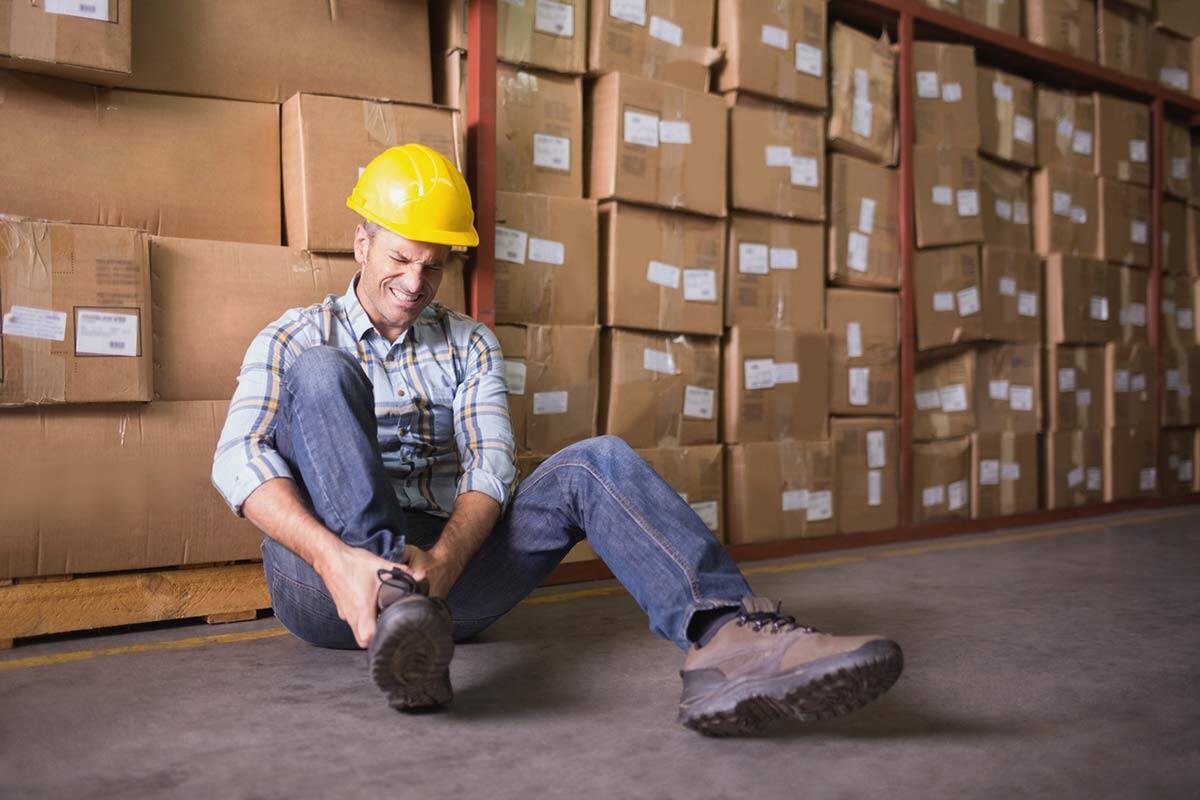
Workplace injuries usually slow down and even stop the business productivity; here are the 4 most common workplace injuries and how to avoid them…

Broken Bones – In some industries, it is not uncommon for people who do not wear the correct safety boots to have their feet crushed by heavy machinery or cargo. These injuries can be avoided by wearing the correct pair of work boots that have enough resistance to protect your feet or toes from being crushed.

Cuts and Lacerations – Employees who work with machinery often end up with cuts and lacerations, this is why steel toe boots are often the best footwear to invest in. Comfortable tactical boots are a good option as well, but make sure they have some level of compression resistance.

Puncture Wounds – Work industries where there are a lot of dangerous metal objects such as nails, staples or scrap metal often end up causing painful puncture wounds. Prevent these injuries from happening by wearing high quality, heavy duty safety boots.

Electric Shocks – Workers sometimes have to be prepared for the risk of an electric shock, such as electricians and construction workers. In cases such as these, you need to invest in a boot that is thick with a rubber sole.

Ultimately it is critical to examine your workplace and figure out what safety footwear is right for you…

At L&A Safety we provide a range of safety boots and footwear, to order yours, give us a call on 021 552 0665, email tish@landasafety.co.za or pop into one of our stores in Vredenburg, Robertson and Cape Town

Thursday, 14 June 2018

The 7 Benefits of Wearing Waterproof Footwear


When you’re in the workplace, whether it’s raining torrentially or you’re in the middle of a disaster situation, wearing the right footwear for the both is vital.

Image result for raining

Here are the main benefits of having waterproof footwear for the job…

1. Warm, dry feet. This is one of the most obvious reasons to wear waterproof footwear when necessary! When you have to deal with extreme weather conditions such as flooding, you don’t want to have to deal with having wet, cold feet.

2. Staying hygienic. Water running through the streets is pretty dirty and when you have to walk through floodwater it can mean you are exposing yourself to all sorts of contaminants. Often this can lead to health issues, so it’s best to wear the correct waterproof footwear at all times.

3. Protection from debris. Do you know what is hidden beneath that puddle of water? All kinds of debris and possibly hazardous items can be uprooted by the wet weather and possibly cause a serious injury. Your best bet is to wear sturdy, waterproof footwear that offer protection; it might even be wise to consider steel-toed safety boots.

4. Avoiding slipping. Even when you can see where you are going, wet conditions can cause slipping. Avoid a disastrous situation, such as falling and injuring yourself, by wearing waterproof footwear that has rubber or strong grips on the bottom for solid resistance, traction and a secure grip.

5. Resistance to chemicals. If you’re stuck in a disastrous situation or it’s flooding badly, be aware that water shouldn’t be the only liquid you should be worried about. Chemicals, fuels and solvents can often be disrupted by flood waters and high winds, so consider a high quality pair of rubber boots and always have an emergency first aid kit nearby (Get yours online from Supply Doctor)

6. Shock protection. Extreme wet weather and strong winds can bring trees down as well as power lines and this can be a serious danger. While you should never walk close to a downed power line, you should always wear waterproof safety shoes that are rubber and antistatic. These will help avoid any electrostatic charges and shocks.

7. Comfort. This one might seem obvious, but when you’re in the middle of a flood or extremely wet weather, having dry feet can make a huge difference in how you respond and get your work done. There are waterproof boots and footwear that are shock absorbing as well as lightweight, which is vital when you’re on your feet for long periods of time.

In addition to the correct waterproof footwear, you also need the correct PPE. L&A Safety in Cape Town, Robertson and Vredenburg offer high-quality, reliable PPE that everyone can afford! Take a look at the website here, call 021 552 0665 or email tish@landasafety.co.za

Thursday, 7 June 2018

Respiratory Protective Equipment for the Workplace


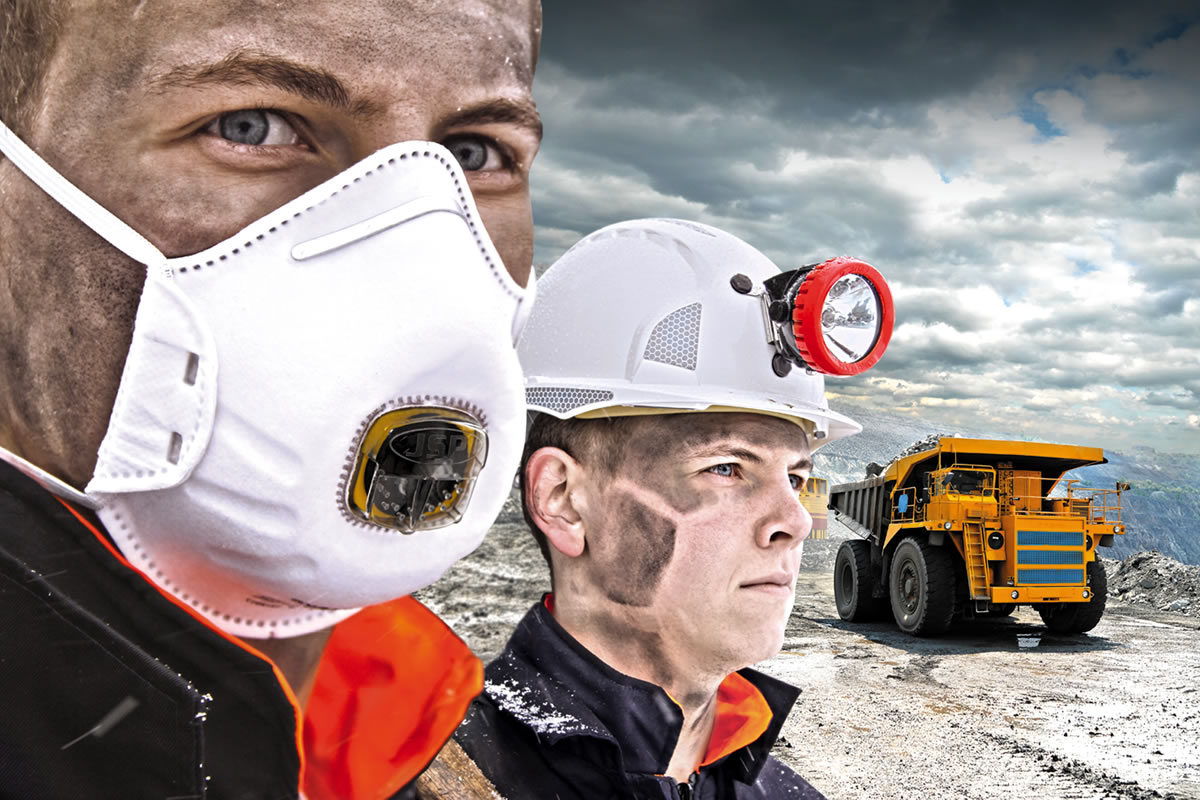
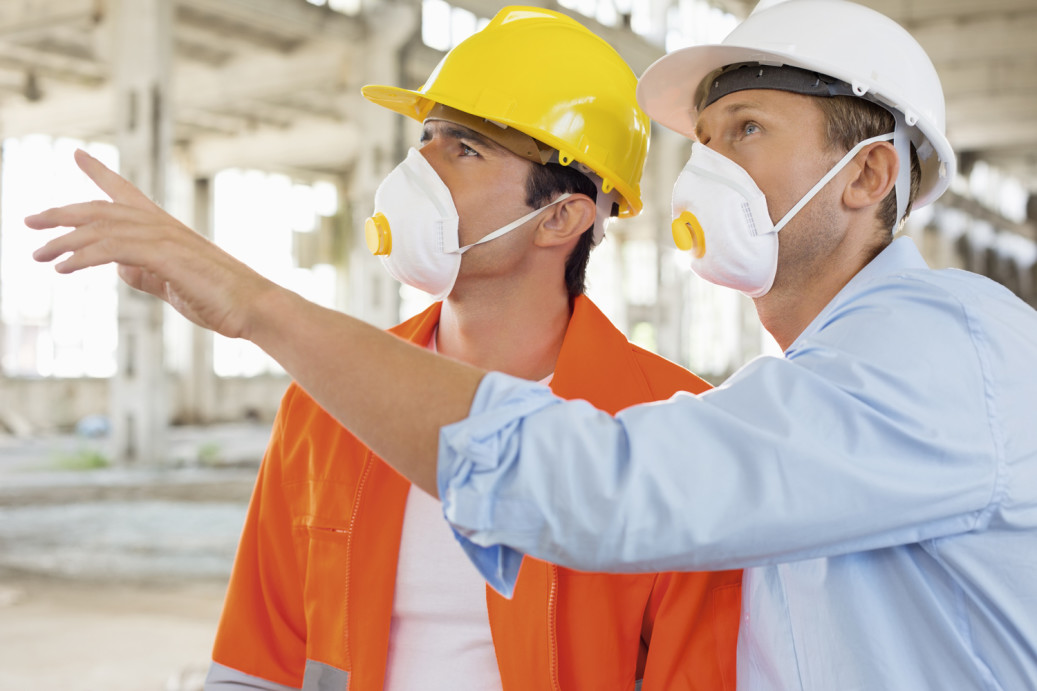
Some work processes can involve using harmful substances, fumes and chemicals – by breathing in these substances you can put yourself and the people around you at risk!

Related image

Respiratory protective equipment is used to protect workers from these substances that could be potentially hazardous, such as…

Gases
Sprays
Solvents
Dusts

Wearing the correct equipment can include a range of things, including…

Visors
Hoods
Masks
Helmets

When it comes to using protective equipment such as respiratory masks, they should not be the only protection you use to stay safe in the workplace. However, wearing RPE is a good temporary precaution to take before you get the proper protection.

Always remember that your respiratory protective equipment should be the correct type for the task and environment as well as fit you correctly to insure maximum protection.

Subjecting yourself to a work environment that is potentially hazardous for your health can result in a number of issues, including respiratory diseases, asthma, cancers as well as diseases in the airways and bronchitis.

Looking for the correct safety PPE for the job at a price you can afford? L&A Safety offers a range of PPE, including respiratory equipment – contact us today on 021 552 0665 or email tish@landasafety.co.za otherwise pop into a store in Cape Town, Robertson or Vredenburg.

Friday, 6 April 2018

Common Noise Hazards and What Hearing Protection to Wear!


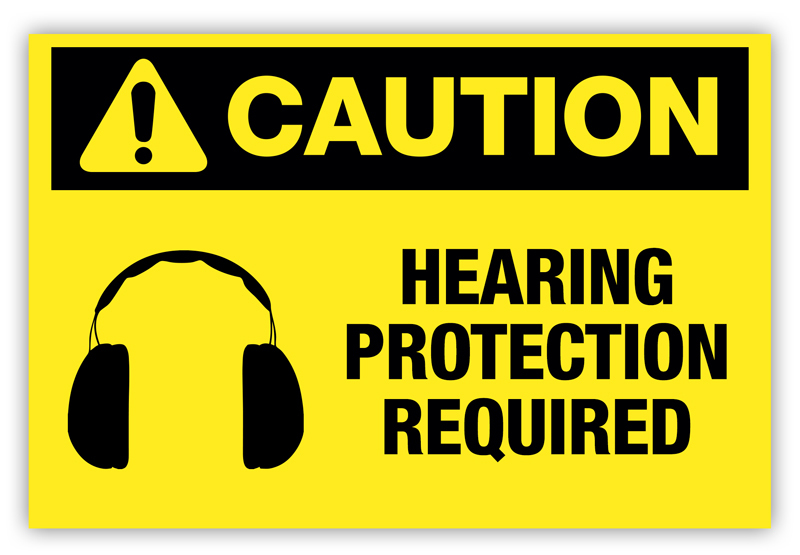
A workplace that exposes you to loud noise constantly can really affect your hearing in the long run. The louder the noise you are exposed to, the more damage it can do and in some serious cases, it can even lead to permanent hearing loss.
Image result for hearing protection

You may be at risk! These are the most common noise hazards:

- Powered or pneumatic tools

- Impact tools, such as hammers, drop forges or riveters

- Powered cartridge-operated tools, guns or punching tools

- Constant interfering noise, such as a vacuum cleaner, busy street or crowded bar

Activities that generate high levels of noise:

- Agriculture

- Waste recycling

- Wood & plastic processing

- Heavy construction, demolition or road repairs

Wearing hearing protection should always be worn by those who are exposed to noise levels that are above 85db(A).

Hearing protection comes in two main forms – protection that covers the ear such as safety ear muffs and electronic hearing protectors. As well as protection that is inserted into the ear such as ear plugs.

Image result for wearing hearing protection

L&A Safety offers high quality safety wear and equipment at affordable prices. Be sure to pop into one of our stores in Cape Town, Vredenburg or Robertson otherwise take a look at our website www.landasafety.co.za

Hearing protection is just as important as wearing safety goggles and hard hats, so make sure you wear the right protection that fits you right and that is properly maintained!


Thursday, 15 March 2018

Respiratory Equipment to Protect against Common Breathing Hazards


Breathing in any hazardous substances when you are at work can put your health at serious risk and can even cause diseases and conditions such as asthma, COPD and cancer!

This is why if you are working in an environment that has a variety of chemicals including substances that create fumes, dust and other substances you need to always wear respiratory protective equipment. L&A Safety offers high quality PPE that won’t put a hole in your pocket – order online from www.landasafety.co.za or call 021 552 0665


Some of the most common breathing hazards can come from situations such as…

- Dust exposure from grinding or sanding an object
- Mixing or pouring chemicals
- Using certain chemicals
- Wearing the wrong kind of respiratory protection equipment
- Not managing and cleaning surfaces that are contaminated

You or your employees should be alert and especially vigilant and ensure that the right steps are taken if you work with or around…

- Solder flux
- Glues and resins
- Laboratories
- Chemicals in hairdressing
- Spray paints, etc.
- Wood, flour and grain dust


Respiratory protective equipment comes in many different forms, including visors, hoods, masks, helmets, etc. Any equipment that you have to wear while working should be the correct type for the task, size and fit as well as the substance and the working environment.

You can use the L&A Safety website to take a look at the various types of equipment and determine what kind you or your employees need.

Thursday, 15 February 2018

Which Gloves should you wear for Dairy Farming?

In agriculture, gloves have many uses and they are an important part of the job, especially when it comes to the dairy farming business.

The gloves that many people in the business swear by are disposable nitrile gloves, but why? Studies show that worker and animal health needs to be improved as well as high quality milk. This is why nitrile gloves are used on a regular basis.

Image result for dairy farming

Here are the main benefits:

>> Less bacteria is transferred from the hands to the milk which means the milk is cleaner. Nitrile gloves make it difficult for the bacteria to stick to the hands when compared to the crevices of your hands without gloves on.

>> Nitrile gloves protect against repeated exposure to teat dips.

>> Superior resistance to iodine used to prevent contamination between cows, a resistance not found with latex gloves

Wearing gloves for protection is vital in the dairy farming industry. If a cow becomes infected or sick, this means precious time and money lost for the farmers. Plus the problem will become worse if the infection spreads to other cows.

Rather than taking that risk, all dairy farmers should stock up on nitrile glove supplies to provide the correct protection.

Related image


For a wide range of PPE, including a nitrile gloves and a selection of work gloves – visit L&A Safety’s website today or pop in at one of their stores in Cape Town, Vredenburg or Robertson.

Thursday, 8 February 2018

Construction Safety Topics to discuss in the Workplace

Safety during construction should not be taken lightly. This is why discussing construction safety topics before work starts are highly important.

So, what is the main aim towards holding safety meetings? For every business or organisation, its employees’ safety and security is of the utmost importance. This is why; these topics can help reduce the number of injuries and even fatalities suffered by workers. If workers are exposed to hazards while they are inside or outside the work zone, the responsibility of the supervisor increases.

Image result for construction site

For helpful topics on construction safety, consider discussing the following topics…

- Use of first aid
- Use of hard hats
- Power tool safety
- Proper personal hygiene
- Proper road work safety
- Effects of sleep deprivation
- How to drive construction vehicles during winter
- What are workplace distractions
- Hearing protection devices
- Fall rescue techniques
- Proper grounding checks
- Asphalt worker safety
- Proper construction site hygiene
- Why is safety important in the workplace
- Asbestos use in construction
- Emergency fall response
- Construction fall protection
- Contractor safety work permit
- Construction ladder safety
- Demolition safety planning
- Safe lifting techniques
- Safety rules for power tools
- Employee safety responsibilities
- Are we prepared for an emergency
- Crane operation hand signals
- Importance of safety training
- Demolition safety checklist
- Hazardous material warning labels
- How to handle injuries
- Safety regulations in the workplace
- Construction site electrical hazards check list


The safety topics provided in this list will help employers and employees become educated better about workplace safety and security, ultimately reducing any chance of mistakes.

Looking for affordable and reliable PPE including safety boots, hats, gloves, clothing, equipment, etc. Pop into an L&A Safety store in Cape Town, Vredenburg or Robertson or visit the website www.landasafety.co.za