Thursday, 22 September 2016

The Truth about PPE

PPE (Personal Protective Equipment) is designed to protect employees from serious workplace injuries and illnesses caused from chemical, radiological, physical, electrical or mechanical hazards. The truth is that PPE is paramount for your protection, as it provides the last line of defence against an injury.

98% of employees said they have seen others not wearing PPE when they should have been and 30% said this happens repeatedly!

What are the top four excuses for not wearing proper PPE?

- Looks unattractive
- Too hot
- Poor fit
- Now easy accessible

Head Injuries
Image result for head PPE
9% of all injuries are head injuries
84% of employees who sustain a head injuiry are not wearing head protection

Eye Injuries
Image result

50% of construction workers will suffer a serious eye injury during their career
90% of all workplace eye injuries are preventable with the use of proper safety eyewear

Hand Injuries
Image result
25% of all workplace accidents involve hands and fingers
Wearing gloves can reduce hand injury by 60%

Ear Injuries
Image result
25% of workers are regularly exposed to noises at or above recommended limits
99% of noise-induced hearing loss is preventable if proper hearing protection is used


Put it on! From head to toe, always make sure you have the right protection for the job! 

Looking for affordable PPE?  Visit L&A Safety's website or pop in to one of the branches in Cape Town, Vredenburg or Robertston!

Thursday, 8 September 2016

How rubber gloves can help around the house

It is true that rubber or latex gloves -- whether they are everyday household gloves or the disposable ones used in hair salons and hospitals -- aren't just for doing dishes anymore; they can be time-saving tools all around the house.

Disposable gloves are usually sold at pharmacies, but to get the best bang for your buck, visit L&A Safety (www. landasafety.co.za).

Image result

Here are some ways to use those gloves:

* Fill a rubber glove with ice for a quick ice pack.

* Chilli peppers, such as jalapenos, contain oils that can burn your bare skin. Protect your hands by wearing rubber gloves when working with hot peppers.

* If you're watching your calories, you will use less salad dressing and still coat every lettuce leaf if you use rubber-gloved hands to toss your salad.

* Wear rubber gloves while applying a self-tanning product to keep your skin and fingernails from staining.

* Remove pet hair from furniture and carpet with a gloved hand lightly sprayed with water or an anti-static spray.

* To prevent leaving fingerprints, wear rubber gloves while cleaning crystal and glass.

* Help prevent cross-contamination by wearing disposable gloves when you work with raw meat. Put on a fresh pair before working with another ingredient.

* You'll have snag-free pantyhose if you wear your gloves while sliding your stocking up your leg.

* A rubber glove will help you get a good grip on a tight bottle cap or jar.


Thursday, 25 August 2016

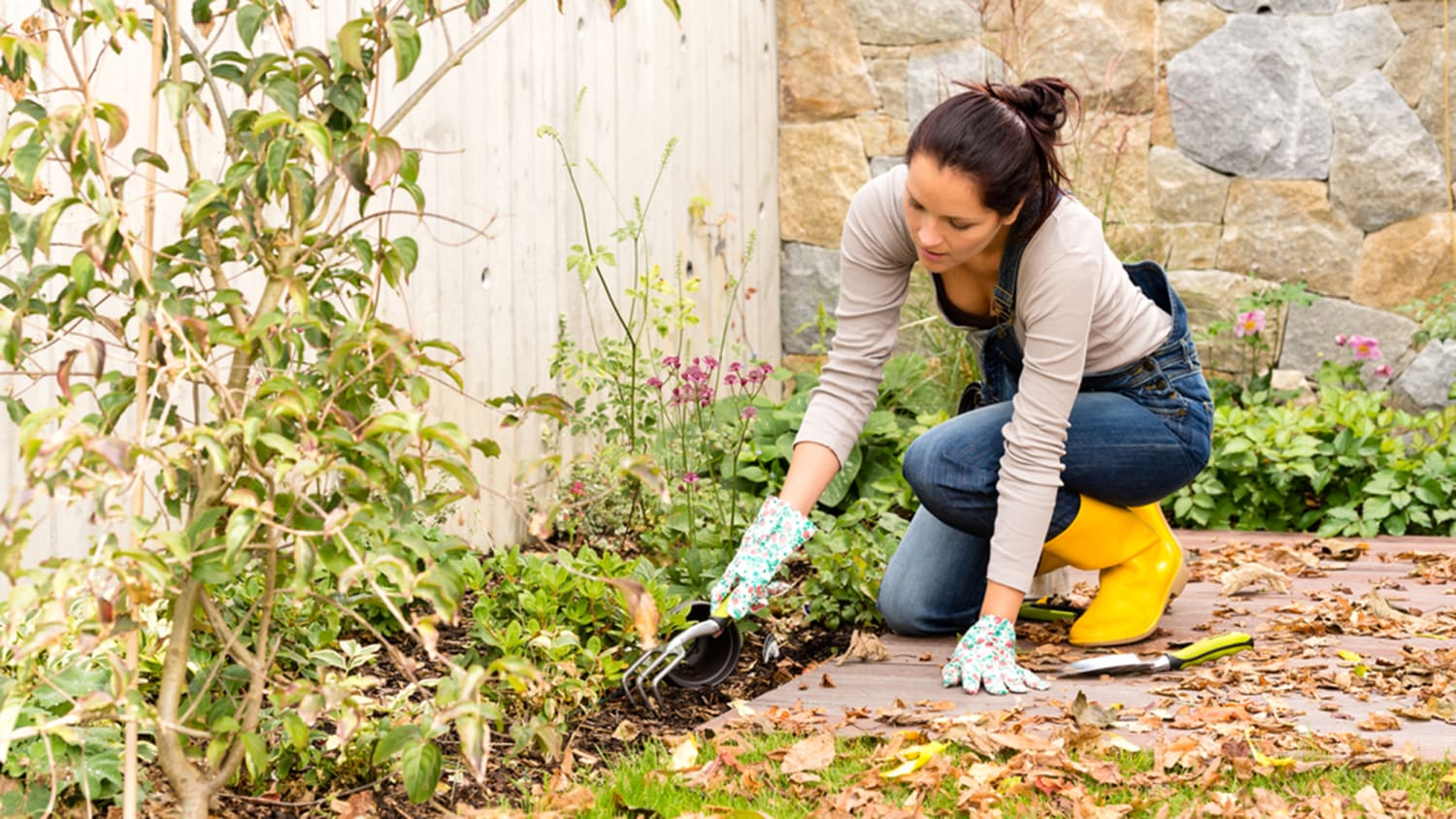
Why you need Gardening Gloves

Ideally, we were moulded from soil and have no problem touching the earth and using it in any way with our bare hands plus breaking plants, pruning and applying the mulch bare handed. However, there is need to dress the fingers while gardening.

Image result
Experts discuss some reasons why you need a pair of gloves while gardening.

  • Prevent nail breakage

Save your finger nails from breaking and keep nails clean as well. One of the greatest physical assets a lady has is the fingernails. Save those finger nails from breaking as a result of digging them in the earth, forcing them to break branches and sowing seeds with hard coats.

  • Prevent cuts 

Image result Notably, gloves will save you from very painful splinters and infected cuts. Most people dread them with the excuse that they are heavy and sweaty – yes they are quite uncomfortable but one gets used to working in them over time because it pays.

  • Protect hands from cuts

Hands are worth taking care of; a good pair of gloves will not only protect you from cuts, particles and pricks from thorns but also keep your hands in shape. Buy fitting gloves. Gloves that are ill fitting are uncomfortable but can also be dangerous. If you are using powerful tools with gloves that don’t fit, they can easily get pulled along with your working tools and leave you unprotected. Also, small or tight gloves limit movement and should not be anywhere near your fingers.
Image result

  • Prevent contact with soil-borne and bacterial infections

Wearing gloves saves you from directly getting into contact with animal waste and deadly chemicals. Gardening with open wounds or cuts exposes you to bacterial infections through contact with waste.


Gloves are made to protect your hands from the mud and keep them clean and dry. They also keep hands warm in cold weather – always wear gloves while gardening!

L&A Safety offers a wide range of safety equipment and clothing, ranging from construction hats and boiler suits to gloves used for gardening, etc. Visit L&A Safety's website today or pop in at one of their branches in Cape Town, Vredenburg or Robertson.

Thursday, 18 August 2016

How disposable gloves will save you in the kitchen

Are they pretty? No. Are they comfortable? Not really. But are they your best friend in the kitchen? Sometimes.

When the messages start rolling in around dinnertime about how your best friend cut a jalapeño and now their hand is on fire – it’s time to bring in the disposable gloves!

Disposable gloves are one of the least attractive things you can wear in a kitchen—or anywhere, for that matter. But it takes just one incident with a jalapeño to proclaim allegiance to the things.

And they're not just a barrier between you and those chillies. Keep a 100-count box in a kitchen drawer for...

1. Meatballs and meatloaves you're going to mix by hand (It keeps the bacteria from burrowing under your fingernails.)


2. Rubbing a raw chicken inside and out with butter and spices.


3. Deveining shrimp? It's so much less disgusting when you do it with gloves.


4. Slicing hot meat, turning out hot muffins or baked goods, or handling hot veggies without burning your fingers. 


5. Garlic and shallots and onions—these foods do not leave their scent on your fingers when you handle them with gloves.


6. With gloves on, food like beetroot, butternut squash, turmeric and cherries will keep their colour to themselves.


7. It's probably more of a girl thing, but by wearing gloves you can protect your nice manicure.


Everybody, manicured or not, has use for disposable gloves in the kitchen. Yes, you'll look like the lunch lady when you're cleaning those chillies. But better to look like her than to deal with dirty, burning or smelly hands, right?


Looking for disposable gloves at an affordable price? Visit L&A Safety's website and have a look through the website, or pop into one of their stores in Cape Town, Vredenburg or Robertson.

Thursday, 28 July 2016

Why Nitrile Gloves are best for Dairy Farming

Disposable gloves have many uses in agriculture, especially when it comes to dairy farming. Nitrile gloves, for example, are perfect for this application.


Research shows that gloves have experienced increased usage in this industry over the past ten years. This is because of a need for improved worker and animal health – not to mention, a desire to produce higher-quality milk. In fact, nearly 50 percent of all dairy farms use gloves because of these reasons.

Nitrile gloves in particular provide several benefits:

- Cleaner milk due to less bacteria transferred from hands to the milk, as the bacteria does not adhere to the nitrile as easily as to the crevices of your hands

- Protection against repeated exposure to teat dips

- Superior resistance to iodine used to prevent contamination between cows, a resistance not found with latex gloves

Wearing gloves is a crucial sanitation practise for dairy farms. If cows become infected, they represent lost revenue. This problem becomes worse if an infection spreads between cows.

Rather than risking lost profits and low-quality milk, dairy farmers should be sure to replenish their nitrile glove supplies to get the appropriate level of barrier protection.


For a wide range of PPE, including a selection of work gloves – visit L&A Safety’s website today or pop in at one of their stores in Cape Town, Vredenburg or Robertson.

Thursday, 21 July 2016

How to clean your Respirator Mask

Taking care of your respirator is simple stuff, but it can have a big impact on your health and safety at work. L&A Safety explains the best way to keep your non-disposable respirator clean and how to prolong the life on your cartridges.


Most people never clean their respirators. Why? Maybe they love germs, or accumulated grime, or maybe, they just wipe it out with a rag occasionally and keep working. Hey, I’ll do it right from now on.

Masks are worn to protect workers from dangerous atmospheres, and properly cared for; they will continue doing that for quite some time. However, if you’re wearing a mask, chances are you’re not working in the cleanest environment and they need to be washed to remove any residue occasionally.

To clean your respirator, first wash your hands. You don’t want to take the dirt and replace it with the paint or chemicals you’ve been working with. If you’re not sure how to do it, check the written instructions that came with your mask. Make sure you don’t lose any seals or washers that may be in place with the cartridges.

It probably goes without saying, but we’ll say it anyway: you can’t wash your cartridges. If you have cartridges with rigid exteriors, you can wipe the dirt or over-spray off. But make sure you set them to the side when you are washing.

Next, hand wash the respirator face piece in warm water. Use a disinfectant soap. Check with the manufacturer to see if there are recommended brands.

After you have cleaned the respirator and all the parts, let them air-dry before reassembly.

The other important thing to remember about caring for your respirator is keeping your respirator and cartridges stored correctly. Sunlight, dust, extremes of both heat and cold, and chemicals can have a negative effect on the longevity of your mask.

Ideally the cartridges should be removed after each use and put in a zip-lock bag for storage. If you have a half-face mask, it will fit into a big bag without having to take the cartridges off. Always store your mask away from the job site or any other chemicals.


If you have any questions about your safety gear, respirators or safety equipment in general, contact L&A Safety today!

Thursday, 14 July 2016

Safety Gloves and Skin Protection at Work

You may use many tools at work, but some of the most important tools you use are your hands. Therefore, it’s important to properly protect your hands from skin injuries on the job site. Skin injuries like cuts or punctures and health problems like dermatitis can occur in a wide variety of industries, not just the industries you would expect.


Hand injuries and skin problems can arise in more dangerous workplaces like construction sites and manufacturing facilities, but they also commonly occur in industries like health care, hairdressing and food service. As a result, many employers need to be aware of these hazards, and both employers and employees need to educate themselves about the best ways to prevent dangerous situations.

Many types of skin problems can occur in the workplace. Let’s take a look at some of the common ones: 

Cuts & Punctures – Sharp pieces of machinery, the blades of tools or needles can easily damage the skin on your hands. While many of these wounds can be cleaned and covered with a plaster, a deep enough wound could require stitches or surgery.

Abrasion – An abrasion is an injury on the surface of the skin that occurs when something scrapes the epidermis, the outer layer of the skin.

Thermal Issues – Working with very hot or very cold objects can cause burns and impede movement.

Chemical Burns – Some substances in the workplace can burn the skin when encountered in certain forms (as liquids, solids or gases). Cement, for example, can cause burns because it has a high pH value, and employees may not even realize the burns are occurring until it’s too late to prevent further damage.

Dermatitis – The skin can become red, inflamed and irritated as a result of working around certain substances (ranging from cement to hair dye) in the workplace. “Irritant contact dermatitis” occurs when something in the work environment irritates the skin and it can lead to pain, blisters, itching and many other unpleasant symptoms. Some people have an immune response to substances in the workplace, which is called “allergic contact dermatitis”. 

These hazards are all very different so they require different kinds of skin protection. Just as no one type of respirator can protect from all air contaminants, no glove can protect from all substances and tasks that could injure the hand. 


Always wear the right PPE, especially for your hands! Visit L&A Safety at one of their stores in Robertson, Vredenburg or Cape Town and place your order today!